Kung Pao Shrimp Recipe
If you’re craving that iconic, bold, and slightly spicy flavor punch, this Kung Pao Shrimp Recipe is a game changer. It’s one of those dishes that hits the spot whether you’re cooking a casual weeknight dinner or want to impress guests with something a little exotic but totally approachable. I love how the sweet and savory sauce marries perfectly with the tender shrimp and crunchy peanuts—it’s a texture and flavor party in your mouth!
What really makes this Kung Pao Shrimp Recipe stand out for me is how quick and fresh it feels. Unlike heavier takes that can get soggy or overly greasy, this recipe keeps everything vibrant and lively. Plus, it’s adaptable, so you can dial up the heat, swap veggies, or even double it up for meal prep. Trust me, once you try it, you’ll be adding this to your regular rotation.
Ingredients You’ll Need
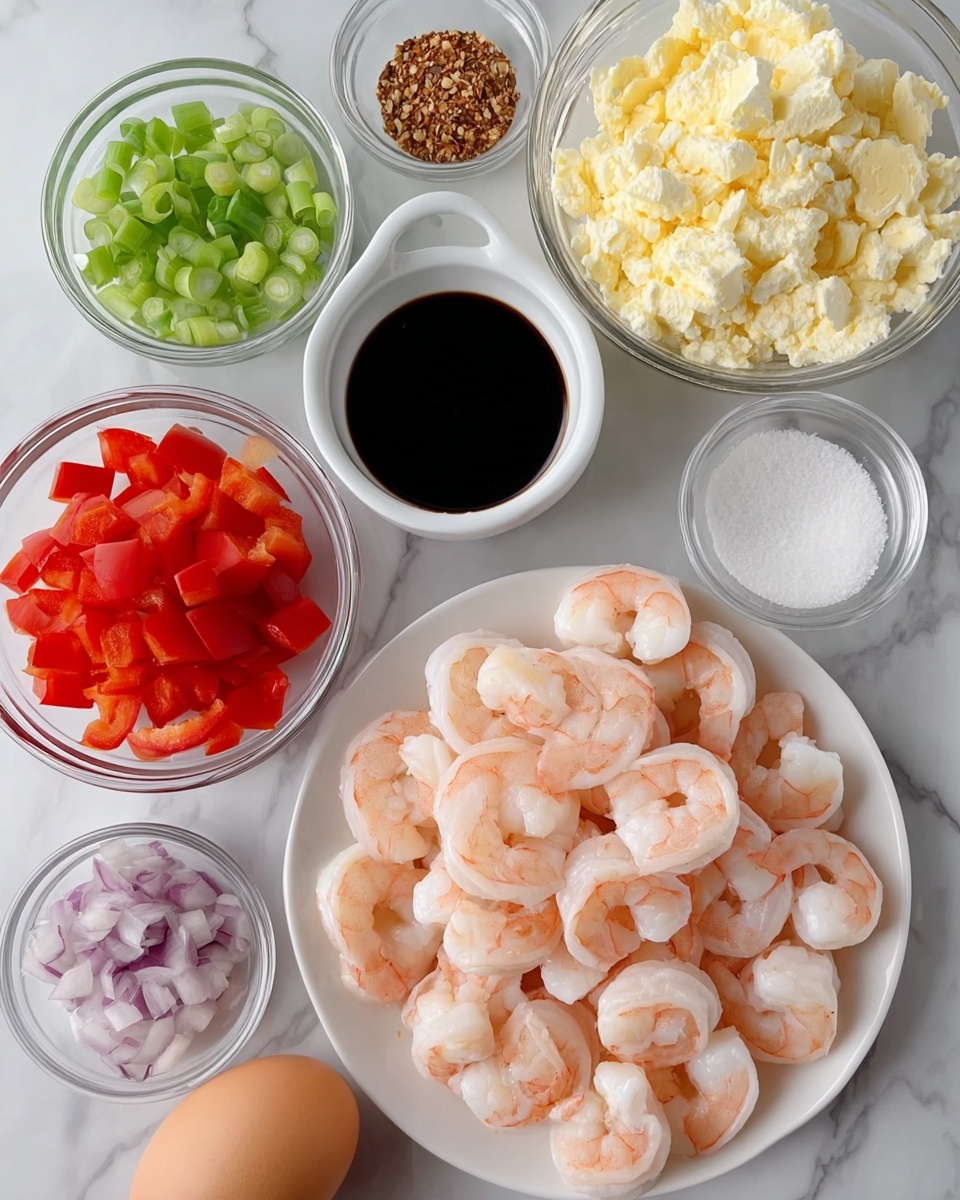
All these ingredients come together perfectly to create that classic Kung Pao flavor you’re after—sweet, salty, slightly tangy, and packed with a kick of heat. When shopping, I always look for fresh shrimp and good quality soy sauce because they really make a difference in the final taste.
- Soy sauce: The salty umami base that ties the whole sauce together; use light soy sauce for balanced flavor.
- Brown sugar: Adds a subtle sweetness that balances the spicy chilies.
- Water: Helps to thin out the sauce and keep it nice and saucy.
- Rice vinegar: Brings a gentle tang that brightens the dish.
- Cornstarch: Essential for thickening the sauce, giving it that glossy, clingy texture.
- Sesame oil: Adds a nutty aroma that’s classic in Asian cooking—just a touch goes a long way.
- Olive oil: Used for stir-frying the veggies and shrimp; you can swap for peanut oil if you like.
- Red onion: Gives sweetness and a bit of bite; cutting into cubes works best to cook evenly.
- Red and yellow bell peppers: Add fresh color and a sweet, crunchy contrast to the spicy sauce.
- Garlic: Minced fresh garlic is a must for that fragrant base flavor.
- Ginger: Freshly grated, it brings a warm, spicy note that complements the shrimp beautifully.
- Dried red chilies: These create a smoky heat; feel free to adjust how many you use based on your spice tolerance.
- Jumbo shrimp: Peeled and deveined for convenience and quick cooking.
- Salt and ground black pepper: For seasoning and enhancing the flavor of the shrimp.
- Roasted peanuts: Adds crunch and nutty flavor—don’t skip them!
- Chopped green onions: A fresh, vibrant garnish that finishes the dish with a pop of color.
Variations
I love making this Kung Pao Shrimp Recipe my own by switching up a few things depending on what’s in season or what I’m feeling. Don’t be afraid to experiment and turn this into your go-to spicy shrimp dish.
- Swap Shrimp for Chicken or Tofu: I’ve made this recipe with diced chicken breast or firm tofu for a different protein — both soak up the sauce beautifully.
- Add More Veggies: Snow peas, zucchini, or even water chestnuts add extra crunch and freshness.
- Heat Level: Adjust the number of dried red chilies or add a splash of chili garlic sauce if you want to kick up the spice.
- Gluten-Free Version: Use tamari instead of soy sauce to keep it gluten-free without sacrificing flavor.
- Nuts: Swap roasted peanuts for cashews if you want a twist or to accommodate allergies.
How to Make Kung Pao Shrimp Recipe
Step 1: Whisk Together the Sauce
Start by mixing the soy sauce, brown sugar, water, rice vinegar, cornstarch, and sesame oil in a small bowl until smooth. I find letting it sit for a few minutes helps the flavors marry better so the sauce feels a bit more cohesive when cooking. This little mix is the heart of your Kung Pao Shrimp Recipe, so get it just right!
Step 2: Sauté Your Veggies
Heat olive oil in a large skillet over medium heat. Toss in your diced red onion and colorful bell peppers, cooking for about 3 to 5 minutes. You want them to soften just a bit while still holding some crunch. Stir occasionally to avoid any bits burning—trust me, those charred bits can turn your sauce bitter.
Step 3: Add Aromatics and Shrimp
Mix in the minced garlic, grated ginger, and dried chilies, stirring for about one minute until fragrant—you’ll know it smells amazing when it’s ready. Dump in the shrimp, season with salt and pepper, and cook for 2 to 3 minutes. Keep an eye on the shrimp—they’ll turn opaque and curl up when done, but don’t overcook them or they get rubbery.
Step 4: Bring It All Together with Sauce and Peanuts
Pour your prepared sauce over the shrimp and veggies, then sprinkle in the roasted peanuts. Stir everything gently and let it simmer for about 2 minutes until the sauce thickens nicely. You’ll see it cling to every piece, which is exactly what you want. This step turns your dish from good to absolutely crave-worthy.
Step 5: Garnish and Serve
Remove from heat and sprinkle chopped green onions on top for a fresh, vibrant finish. Serve immediately, ideally over fluffy steamed rice to soak up all those delicious juices.
How to Serve Kung Pao Shrimp Recipe
Garnishes
I almost always finish with a handful of chopped green onions because they add a fresh, slightly sharp contrast to the rich sauce. If I’m feeling fancy, a sprinkle of toasted sesame seeds or a few extra whole peanuts works beautifully for extra texture and visual appeal.
Side Dishes
My go-to sides are steamed jasmine or basmati rice—that rice grain just soaks up the saucy magic perfectly. Sometimes I throw together a simple cucumber salad or sautéed bok choy to add a cool, crunchy balance alongside the spicy shrimp.
Creative Ways to Present
For a dinner party, I like to serve this Kung Pao Shrimp Recipe in individual mini bowls with a sprinkle of extra peanuts and a wedge of lime on the side—the lime juice really amps up the flavors when squeezed over. You can also use lettuce leaves as a “wrap” to make fun, handheld bites that guests rave about.
Make Ahead and Storage
Storing Leftovers
I store leftovers in an airtight container in the fridge for up to 2 days, but honestly, it rarely lasts that long. When you do tuck some away, keep the rice separate to keep its texture intact and reheat fresh.
Freezing
I’ve tried freezing this dish once or twice, but shrimp’s texture can get a little rubbery after freezing and thawing, so I usually recommend enjoying it fresh. If you want to freeze it, store the shrimp and veggies separately from the sauce and combine them when reheating.
Reheating
When reheating leftover Kung Pao Shrimp Recipe, I prefer warming it gently in a skillet over medium-low heat to keep the shrimp tender and the sauce silky. Adding a splash of water or broth helps loosen the sauce if it thickened too much in the fridge.
FAQs
-
Can I use frozen shrimp for this Kung Pao Shrimp Recipe?
Yes, you can! Just make sure to thaw the shrimp fully and pat them dry to avoid excess moisture, which can make the dish watery. Using peeled and deveined shrimp saves prep time and keeps the shrimp tender.
-
How spicy is the traditional Kung Pao Shrimp Recipe?
The spiciness mainly comes from the dried red chilies. You can control the heat by adjusting the number of chilies you use or removing seeds. If you’re sensitive to heat, start with fewer chilies and add more as you go.
-
What’s the best way to thicken the sauce?
The cornstarch in the sauce is key—for best results, make sure it’s fully dissolved in the liquid before adding it to the pan. Let the sauce simmer gently after adding it so it thickens without becoming gluey.
-
Can I make this recipe gluten-free?
Absolutely! Substitute regular soy sauce with tamari or a gluten-free soy sauce alternative. Just check your ingredients like rice vinegar and cornstarch to ensure they’re gluten-free too.
Final Thoughts
There’s something wildly satisfying about making a flavorful, restaurant-quality Kung Pao Shrimp Recipe right in your own kitchen—and what I love most is how approachable it is. It’s full of vibrant colors, bold tastes, and textures that never get boring. Whether it’s your first time or you’re a seasoned stir-fry lover, this recipe is a keeper—I’m pretty sure once you try it, you’ll feel the same way!