Thai Coconut Peanut Cauliflower Curry Recipe
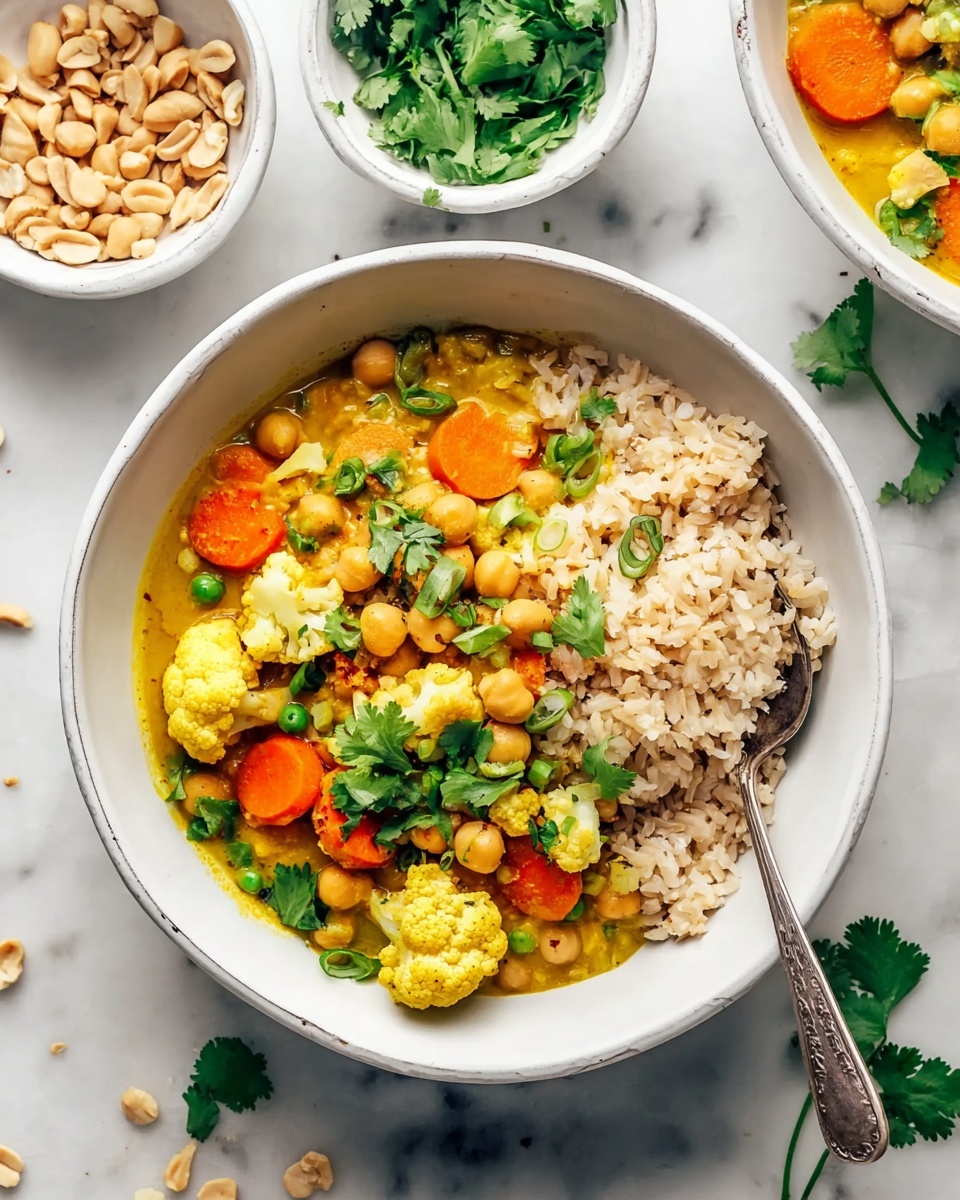
If you’re craving something warm, comforting, and packed with flavor, you’re going to love this Thai Coconut Peanut Cauliflower Curry Recipe. It’s one of those dishes that tastes way more complex than it really is to make. The creamy coconut milk combined with the rich peanut butter and vibrant spices creates such a delicious depth, and the cauliflower soaks it all up beautifully.
What I really like about this recipe is how versatile it feels—and it’s perfect whenever you want a cozy dinner that’s both plant-based and satisfying. Whether you’re cooking for weeknight family meals or impressing friends with something a little different, this curry holds its own every time. Plus, it’s great for meal prep and tastes even better the next day!
Ingredients You’ll Need
Here’s the magic lineup that makes the Thai Coconut Peanut Cauliflower Curry Recipe shine. Each ingredient blends together to deliver that balance of creamy, spicy, and fresh flavors. When you’re shopping, I recommend picking a fresh head of cauliflower and grabbing good quality coconut milk for the best texture and taste.
- Coconut oil: Great for sautéing because it adds a subtle tropical note that pairs perfectly with the curry flavors.
- Garlic: Freshly minced garlic brings out an irresistible aroma—don’t skip it!
- Fresh ginger: Adds that warm, zesty kick that lifts the whole curry.
- Carrot: Thin slices cook quickly and add a slight sweetness and crunch contrast.
- Cauliflower florets: The hearty vegetable base that absorbs all the curry goodness.
- Green onions: Used both in the curry and as garnish for freshness and color.
- Lite coconut milk: Gives creaminess without overpowering fat—look for a good brand with pure ingredients.
- Water or vegetarian broth: Helps loosen everything up and adds subtle depth.
- Red curry paste: The backbone of the curry’s flavor, so use one you love—and adjust to taste!
- Natural creamy peanut butter: Creates a silky texture and rich nuttiness—cashew butter works nicely too.
- Gluten-free soy sauce or coconut aminos: Adds umami and saltiness without gluten.
- Ground turmeric: For a subtle earthiness and vibrant color.
- Cayenne pepper: Brings heat; add more if you like things spicy.
- Salt: Essential to balance all the flavors.
- Red pepper: Julienne it for a pop of color and mild sweetness.
- Chickpeas: A protein-packed addition that absorbs sauce beautifully.
- Frozen peas: Add at the end for a burst of sweetness and bright green color.
Variations
I’ve found this Thai Coconut Peanut Cauliflower Curry Recipe is so flexible—you can really put your own spin on it. Sometimes I swap chickpeas for tofu or add spinach for extra greens. It’s all about tailoring the dish to whatever ingredients you have or suits your mood.
- Add protein: Grilled chicken or shrimp work well if you’re not vegetarian—just toss them in near the end.
- Extra veggies: I love adding sweet potatoes or bell peppers for variety and texture changes.
- Heat level: If you prefer it mild, cut back on red curry paste and cayenne; for spice lovers, go ahead and ramp it up.
- Nut butter swap: Cashew butter gives a creamier feel, which I sometimes use when I want a richer curry.
- Make it nut-free: Use sunflower seed butter if you have allergies—it still keeps that luscious creaminess.
How to Make Thai Coconut Peanut Cauliflower Curry Recipe
Step 1: Sauté the Aromatics
Start by heating the coconut oil over medium heat in a large skillet or saucepan. When it’s shimmering, add the minced garlic and freshly grated ginger. Stir them around for about 1-2 minutes until they’re fragrant—but watch carefully so they don’t burn, as that can turn bitter.
Step 2: Cook the Veggies
Next, toss in the carrot slices, cauliflower florets, and diced green onions. Stir everything around for 5-7 minutes. You want the vegetables to get just a bit tender but still hold some bite. This step helps them absorb the curry flavors later on.
Step 3: Make the Curry Sauce
Time for the star ingredients: pour in the lite coconut milk and water or vegetarian broth, then whisk in the red curry paste and peanut butter until the sauce is smooth. Add the gluten-free soy sauce, turmeric, cayenne pepper, and salt. Give everything a good stir, and let it simmer gently for about 10 minutes so the flavors meld together and the sauce thickens slightly.
Step 4: Add Peppers and Chickpeas
Stir in the julienned red pepper and chickpeas. Cook for another 5 minutes, just enough to soften the red pepper while keeping its vibrant crunch. Finally, toss in the frozen peas and cook another minute or two until they’re warmed through.
How to Serve Thai Coconut Peanut Cauliflower Curry Recipe

Garnishes
When I serve this curry, I always add a handful of fresh cilantro, a sprinkle of sliced green onions, and chopped peanuts or cashews on top. These garnishes add crunch, freshness, and an extra layer of nuttiness that makes every bite more exciting.
Side Dishes
This curry pairs beautifully with steamed jasmine rice or brown rice for a heartier meal. Sometimes I enjoy it with simple quinoa or even cauliflower rice if I’m keeping things lighter. A crisp cucumber salad on the side works great to balance the richness too.
Creative Ways to Present
For special occasions, I’ve served this Thai Coconut Peanut Cauliflower Curry Recipe in little edible coconut bowls—super fun and adds a tropical vibe. You can also try layering the curry over coconut-infused rice in pretty bowls and garnish with edible flowers or extra fresh herbs to make it look restaurant-quality.
Make Ahead and Storage
Storing Leftovers
I usually store any leftovers in airtight glass containers in the fridge. The curry thickens up in the fridge, so when you reheat, add a splash of water or coconut milk to loosen it back up. It keeps well and actually tastes better the next day once the flavors have married.
Freezing
Freezing this curry is totally doable! I let it cool completely, then portion it into freezer-safe containers. Just a heads-up: the texture of the cauliflower softens after freezing, so I usually reserve frozen portions for soups or bowls where a softer veggie works well.
Reheating
When reheating, I prefer warming it gently on the stove over medium-low heat with a splash of coconut milk or broth. This helps prevent the sauce from separating and keeps the peanut butter’s creaminess intact. It reheats evenly this way—and tastes just like freshly made.
FAQs
-
Can I make this Thai Coconut Peanut Cauliflower Curry Recipe vegan?
Absolutely! This recipe as written is vegan-friendly, using plant-based ingredients like coconut milk, peanut butter, and chickpeas for protein. Just make sure your red curry paste doesn’t contain shrimp paste or fish sauce, which some brands include.
-
How spicy is this curry and can I adjust the heat?
This curry has a nice medium heat from the red curry paste and cayenne pepper, but it’s very easy to dial up or down. If you prefer it mild, start with less cayenne and curry paste. To spice it up, add more cayenne or toss in some fresh chopped chili peppers during cooking.
-
What can I use instead of cauliflower?
You can swap cauliflower for broccoli, sweet potatoes, or even butternut squash if you want a different texture or flavor. Just keep in mind cooking times may vary a bit depending on your choice.
-
Is peanut butter the best nut butter to use in this recipe?
Peanut butter gives the curry that classic nuttiness and richness. However, cashew butter is a great alternative if you want a creamier, milder flavor. And for nut allergies, sunflower seed butter works surprisingly well too.
-
How long does the Thai Coconut Peanut Cauliflower Curry last in the fridge?
Stored properly in an airtight container, it should keep well for up to 4-5 days. Always give it a sniff and quick taste before reheating to make sure it’s fresh.
Final Thoughts
This Thai Coconut Peanut Cauliflower Curry Recipe has become one of my go-to dishes when I want something that feels indulgent but is loaded with wholesome ingredients. I hope you find it just as comforting and easy to make as I do. Give it a try on a cozy night—you might just end up making it a regular in your rotation!
Print
Thai Coconut Peanut Cauliflower Curry Recipe
- Prep Time: 15 minutes
- Cook Time: 25 minutes
- Total Time: 40 minutes
- Yield: 4 servings 1x
- Category: Main Course
- Method: Stovetop
- Cuisine: Thai
- Diet: Gluten Free
Description
This Thai Coconut Peanut Cauliflower Curry is a vibrant, plant-based dish that combines creamy coconut milk, spicy red curry paste, and rich peanut butter for a flavorful and comforting meal. Loaded with cauliflower, carrots, chickpeas, and green onions, it’s a nutritious and satisfying curry perfect for a weeknight dinner or meal prep.
Ingredients
Curry Ingredients
- ½ tablespoon coconut oil
- 3 cloves garlic, minced
- 1 tablespoon freshly grated ginger
- 1 large carrot, thinly sliced
- 1 small head cauliflower, broken into florets (3–4 cups)
- 1 bunch green onions, diced
- 1 (15 ounce) can lite coconut milk
- ⅓ cup water or vegetarian broth
- 2 tablespoons red curry paste
- 2 tablespoons natural creamy peanut butter (or cashew butter)
- ½ tablespoon gluten-free soy sauce or coconut aminos
- ½ teaspoon ground turmeric
- ½ teaspoon cayenne pepper, plus more if desired
- ½ teaspoon salt
- 1 red pepper, julienned
- 1 (15 ounce) can chickpeas, rinsed and drained
- ½ cup frozen peas
For Garnish
- Fresh cilantro
- Green onion
- Chopped peanuts or cashews
Instructions
- Heat the oil: In a large skillet or pan, warm the coconut oil over medium heat to prepare for sautéing the aromatics.
- Sauté aromatics: Add minced garlic and freshly grated ginger to the hot oil, cooking until fragrant and slightly golden, about 1-2 minutes.
- Add vegetables: Stir in the thinly sliced carrot, cauliflower florets, and diced green onions, cooking for about 5 minutes until they begin to soften.
- Add liquids and spices: Pour in the lite coconut milk and water or vegetarian broth. Stir in red curry paste, creamy peanut butter, gluten-free soy sauce, ground turmeric, cayenne pepper, and salt. Mix thoroughly to combine all ingredients.
- Simmer curry: Bring the mixture to a gentle boil, then reduce heat and let it simmer uncovered for 10 minutes, allowing the flavors to meld and the vegetables to become tender.
- Add remaining vegetables and chickpeas: Stir in julienned red pepper, chickpeas, and frozen peas. Continue to simmer for an additional 5 minutes until the red pepper softens and the peas are heated through.
- Adjust seasoning: Taste the curry and add more cayenne pepper or salt if needed, adjusting the heat and flavor to your preference.
- Garnish and serve: Remove from heat and garnish with fresh cilantro, additional green onion slices, and chopped peanuts or cashews for texture and extra flavor. Serve hot with steamed rice or your favorite side.
Notes
- You can substitute peanut butter with cashew butter for a milder nut flavor.
- Adjust the cayenne pepper to control the spiciness of the curry according to your taste.
- Use gluten-free soy sauce or coconut aminos to keep the recipe gluten-free.
- This curry pairs well with jasmine rice, quinoa, or naan bread.
- Leftovers can be stored in an airtight container in the refrigerator for up to 4 days and reheated gently on the stovetop.