Rose Water Vanilla Layer Cake Recipe
I’m so excited to share this Rose Water Vanilla Layer Cake Recipe with you because it’s one of those desserts that feels both elegant and comforting. The subtle floral hint from the rose water pairs beautifully with the classic vanilla cake layers, creating a flavor that’s delicate but definitely memorable. Whenever I make this cake, it’s a guaranteed crowd-pleaser for everything from birthdays to bridal showers.
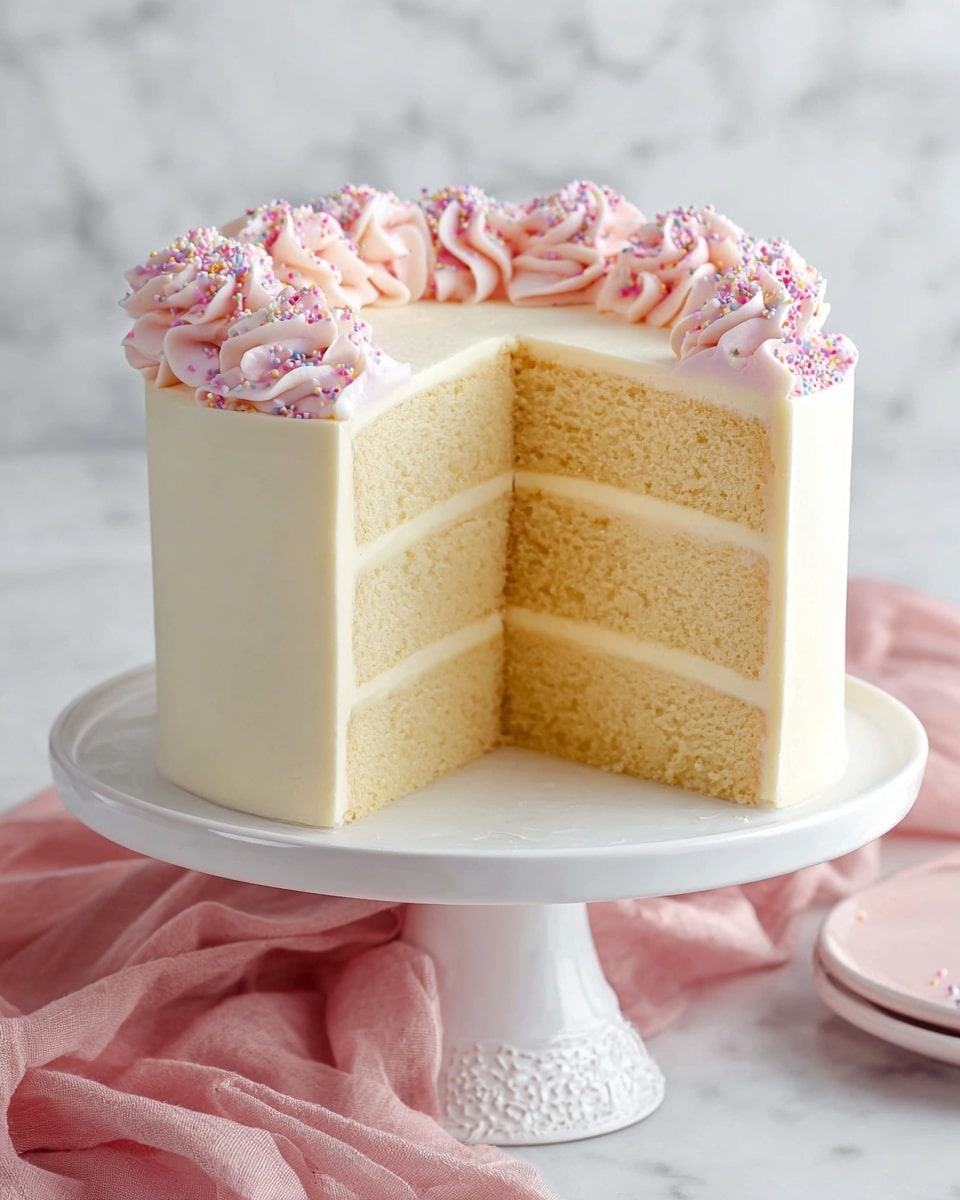
The best part? This Rose Water Vanilla Layer Cake Recipe isn’t just about taste—it’s also got a gorgeous presentation that makes your effort worthwhile. Plus, I’ll share some of my personal tricks to help you get those layers perfectly moist and the frosting silky smooth. Trust me, you’ll want to keep this recipe in your baking rotation once you try it!
Ingredients You’ll Need
All the ingredients in this Rose Water Vanilla Layer Cake Recipe come together to balance texture and flavor perfectly. When shopping, pick the best quality vanilla and fresh eggs you can find—these little details really shine through in the final cake.
- Unsalted butter: Room temperature butter helps you cream it well for a fluffy cake batter.
- Sugar: Standard granulated sugar that sweetens without overpowering the delicate rose notes.
- Sour cream: Adds moisture and a slight tang to keep the cake tender.
- Vanilla extract: The backbone of this cake’s flavor; don’t skimp on quality here!
- Egg whites: Using whites only keeps the cake light and airy.
- All-purpose flour: The classic choice to give structure without heaviness.
- Baking powder: Your rising agent to help those layers get nice and tall.
- Salt: Just a pinch to enhance all the other flavors.
- Milk: Room temperature milk helps create a smooth batter.
- Water: Also room temperature, it adds extra moisture without changing flavor.
- Salted butter (for buttercream): Using salted butter here balances the sweetness of the frosting.
- Shortening (for buttercream): Keeps the frosting stable and spreads like a dream.
- Powdered sugar: The key for that smooth, creamy texture in the buttercream.
- Rose water: Adds that unmistakable floral note that sets this cake apart.
- Vanilla extract (for buttercream): Enhances the overall flavor and pairs beautifully with rose water.
- Water or milk (for buttercream): Used to adjust the consistency of the frosting.
- Ivory and pink icing colors: For the perfect soft, romantic shades in your frosting.
- White sparkling sugar: Adds a little sparkle and crunch as a finishing touch.
Variations
I love to make this Rose Water Vanilla Layer Cake Recipe my own by switching up the decorating and sometimes even the flavor additions. Feel free to tweak the rose water amount or swap it for other floral accents if you’re feeling adventurous.
- Lavender Twist: I once added a teaspoon of culinary lavender to the cake batter for a complementary floral note—totally elevated the dessert for a spring gathering.
- Dairy-Free Version: Swap sour cream with coconut yogurt and use non-dairy milk for a vegan-friendly cake without sacrificing moisture.
- Lemon Zest Addition: Adding a little lemon zest brightens the vanilla and rose flavors beautifully, especially in warmer months.
- Chocolate Layers: For a fun twist, alternate vanilla layers with thin chocolate ones—the rose water frosting surprisingly pairs well here!
How to Make Rose Water Vanilla Layer Cake Recipe
Step 1: Cream Butter and Sugar Until Light and Fluffy
This step is the base of a tender cake, so don’t rush it! Using a stand mixer or hand mixer, beat room temperature unsalted butter and sugar for about 4 to 5 minutes. You want it pale, fluffy, and almost whipped. This creates air pockets that help the cake rise beautifully.
Step 2: Add Sour Cream and Vanilla
Mix in the sour cream and vanilla extract until just combined—don’t overmix here or the batter might become dense. Sour cream adds incredible moisture and a touch of tang, balancing the sweetness perfectly.
Step 3: Incorporate Egg Whites Gently
Adding six large egg whites one at a time makes the batter light but sturdy. Beat well after each addition so the cake gets that lovely lift. These whites are key for a fluffy texture but handled too roughly, they can deflate, so be gentle!
Step 4: Combine Dry Ingredients Separately
Whisk together flour, baking powder, and salt in a bowl. This even distribution of leavening agents keeps the cake consistent throughout. A good tip is to sift them if you have time—for the lightest crumb.
Step 5: Alternate Adding Dry Ingredients and Liquids
Start by adding one third of the dry mix, then half the milk and water combined, alternating until all is used. Mix gently after each addition to prevent overworking the flour but make sure everything is incorporated. The batter should be smooth and pourable but not runny.
Step 6: Bake the Layers
Divide the batter evenly between prepared cake pans—usually three 8-inch rounds work well. Bake at 350°F (175°C) for about 25-30 minutes or until a toothpick inserted comes out clean. I always rotate pans halfway for even baking. Let cool completely before frosting.
Step 7: Make the Rose Water Buttercream
Beat salted butter and shortening until creamy. Gradually add powdered sugar until smooth. Then mix in rose water and vanilla extract for that signature flavor. Adjust consistency with water or milk—5 to 6 tablespoons—to get a perfect spreadable texture. Tint with ivory and pink icing colors to create soft romantic layers.
Step 8: Assemble and Frost the Cake
Place one cake layer on your serving plate, spread an even layer of frosting, then repeat with remaining layers. Coat the entire cake with a thin crumb coat, chill, then finish with the final smooth frosting layer. Finish with a sprinkle of white sparkling sugar for a delicate shimmer.
How to Serve Rose Water Vanilla Layer Cake Recipe

Garnishes
I love garnishing with edible rose petals or a few fresh raspberries to complement the floral flavors. Sometimes, a light dusting of powdered sugar or some pearl sprinkles adds just the right amount of sparkle. It’s those little touches that always impress guests.
Side Dishes
This cake pairs beautifully with a fresh berry compote or a scoop of vanilla bean ice cream. I’ve also served it alongside lightly brewed green tea or a chilled glass of sparkling rosé for a sophisticated twist when hosting friends.
Creative Ways to Present
For special occasions, I sometimes pipe rose shapes with the tinted buttercream along the edges or use a stencil to dust rose-patterned powdered sugar on top. Layering the icing in ombré shades of pink and ivory also adds a stunning effect that guests love photographing!
Make Ahead and Storage
Storing Leftovers
I usually keep my leftover Rose Water Vanilla Layer Cake Recipe covered tightly in the fridge, and it stays perfectly moist for about 4-5 days. Make sure to bring it back to room temperature before serving to bring out the full flavor and soften the frosting.
Freezing
Freezing this cake works surprisingly well! I wrap each layer individually in plastic wrap and then foil, then freeze. You can thaw overnight in the fridge and then frost fresh, or freeze fully assembled and let it thaw gently—just note frosting may soften some.
Reheating
If you want slightly warm slices, I pop individual pieces in the microwave for about 10-15 seconds. This softens the cake and melts the buttercream a bit, making each bite feel indulgent—just don’t overdo it or it’ll get too soft!
FAQs
-
Can I use whole eggs instead of egg whites in this Rose Water Vanilla Layer Cake Recipe?
You can, but using only egg whites keeps the cake lighter and airier, which complements the delicate rose water and vanilla flavors. If you substitute whole eggs, expect a slightly denser texture.
-
How much rose water should I add for a balanced flavor?
Start with 1 tablespoon in the buttercream as the recipe suggests. Rose water is potent, so you can always add less if you prefer a subtler floral note, but avoid overdoing it as too much can taste soapy.
-
What’s the best way to color the buttercream for this cake?
Gel food coloring works best because it adds vibrant color without thinning the frosting. Use ivory and pink tints sparingly to create soft, romantic pastel hues for a pretty finish.
-
Can I make this cake gluten-free?
Absolutely! Swap all-purpose flour with a gluten-free flour blend that includes xanthan gum, and be sure to check baking powder and other ingredients for gluten. The texture might differ slightly but still delicious.
-
How do I prevent the cake layers from drying out?
Properly measuring ingredients, not overbaking, and wrapping the cooled layers in plastic wrap before refrigerating helps maintain moisture. Also, applying frosting soon after the cake cools seals in the moisture nicely.
Final Thoughts
This Rose Water Vanilla Layer Cake Recipe holds a special place in my baking repertoire because it’s that rare treat which feels fancy without being complicated. I hope you’ll find joy in making it as much as I do—whether it’s for a celebration or just a sweet way to brighten your day. Give it a try, and don’t forget to savor every fragrant, luscious bite!
Print
Rose Water Vanilla Layer Cake Recipe
- Prep Time: 30 minutes
- Cook Time: 30 minutes
- Total Time: 1 hour
- Yield: 12 servings 1x
- Category: Dessert
- Method: Baking
- Cuisine: American
Description
This elegant Rose Water Vanilla Layer Cake is a delicate and fragrant dessert featuring moist vanilla cake layers paired with a luscious rose water buttercream frosting. Perfect for special occasions, this recipe combines classic flavors with a subtle floral twist, creating a visually stunning and delicious treat.
Ingredients
Vanilla Cake:
- 3/4 cup (168g) unsalted butter, room temperature
- 1 1/2 cups (310g) sugar
- 3/4 cup (173g) sour cream, room temperature
- 1 tbsp vanilla extract
- 6 large egg whites, room temperature
- 2 1/2 cups (325g) all purpose flour
- 4 tsp baking powder
- 1/2 tsp salt
- 3/4 cup (180ml) milk, room temperature
- 1/4 cup (60ml) water, room temperature
Rose Water Buttercream:
- 1 1/2 cups (336g) salted butter
- 1 1/4 cups (237g) shortening
- 10 1/2 cups (1208g) powdered sugar
- 1 tbsp rose water
- 1 tsp vanilla extract
- 5–6 tbsp water or milk
- Ivory icing color
- Pink icing color
- White sparkling sugar
Instructions
- Prepare Cake Batter: In a large mixing bowl, beat the unsalted butter and sugar together until light and fluffy. Add the sour cream and vanilla extract, mixing well. Gradually add the egg whites one at a time, ensuring each one is fully incorporated before adding the next.
- Combine Dry Ingredients: In a separate bowl, sift together the all-purpose flour, baking powder, and salt. Alternately add the dry ingredients and the milk mixed with water to the butter mixture, beginning and ending with the flour mixture. Mix until just combined to avoid overmixing.
- Bake the Cake Layers: Preheat the oven to 350°F (175°C). Grease and flour three 8-inch cake pans. Divide the batter evenly among the pans and bake for 25-30 minutes, or until a toothpick inserted in the center comes out clean. Let the cakes cool completely before frosting.
- Make Rose Water Buttercream: In a large bowl, beat the salted butter and shortening until creamy. Gradually add the powdered sugar, beating until smooth. Add rose water, vanilla extract, and water or milk as needed to reach desired consistency. Divide the buttercream into portions and tint with ivory and pink icing colors as desired.
- Assemble the Cake: Place one cake layer on a serving plate and spread an even layer of buttercream over the top. Repeat with remaining layers. Frost the top and sides of the cake with the remaining buttercream. Decorate with white sparkling sugar for a delicate shimmer.
- Chill and Serve: Refrigerate the cake for at least 30 minutes to set the frosting before slicing and serving. This cake is best enjoyed within 2 days at room temperature or up to 5 days refrigerated.
Notes
- Use room temperature ingredients for the best batter consistency and cake texture.
- Do not overmix the batter to keep the cake tender and light.
- If rose water is too strong for your taste, reduce the quantity slightly.
- Ivory and pink icing colors are optional but add a beautiful visual appeal to the cake.
- Store the cake covered in the refrigerator to maintain freshness.