One-Pan Thai Coconut Chicken Curry Recipe
Let me tell you about this One-Pan Thai Coconut Chicken Curry Recipe—it’s a total game-changer when dinner time rolls around. The magic here is how effortlessly you can get a vibrant, flavorful meal on the table using just one pan. I love how it marries creamy coconut milk with fragrant curry spices, tender chicken, and crisp veggies, all simmered together to create a satisfying dish that feels both comforting and a little exotic.
This recipe works beautifully for busy weeknights when you want something wholesome but don’t have the patience for multiple pots and pans. Honestly, once I discovered this recipe, it became my go-to for weeks. You get juicy chicken infused with that perfect balance of spice and sweetness, and the best part? Minimal cleanup—just one pan to wash. Trust me, you’re going to want to make this One-Pan Thai Coconut Chicken Curry Recipe your new dinner favorite.
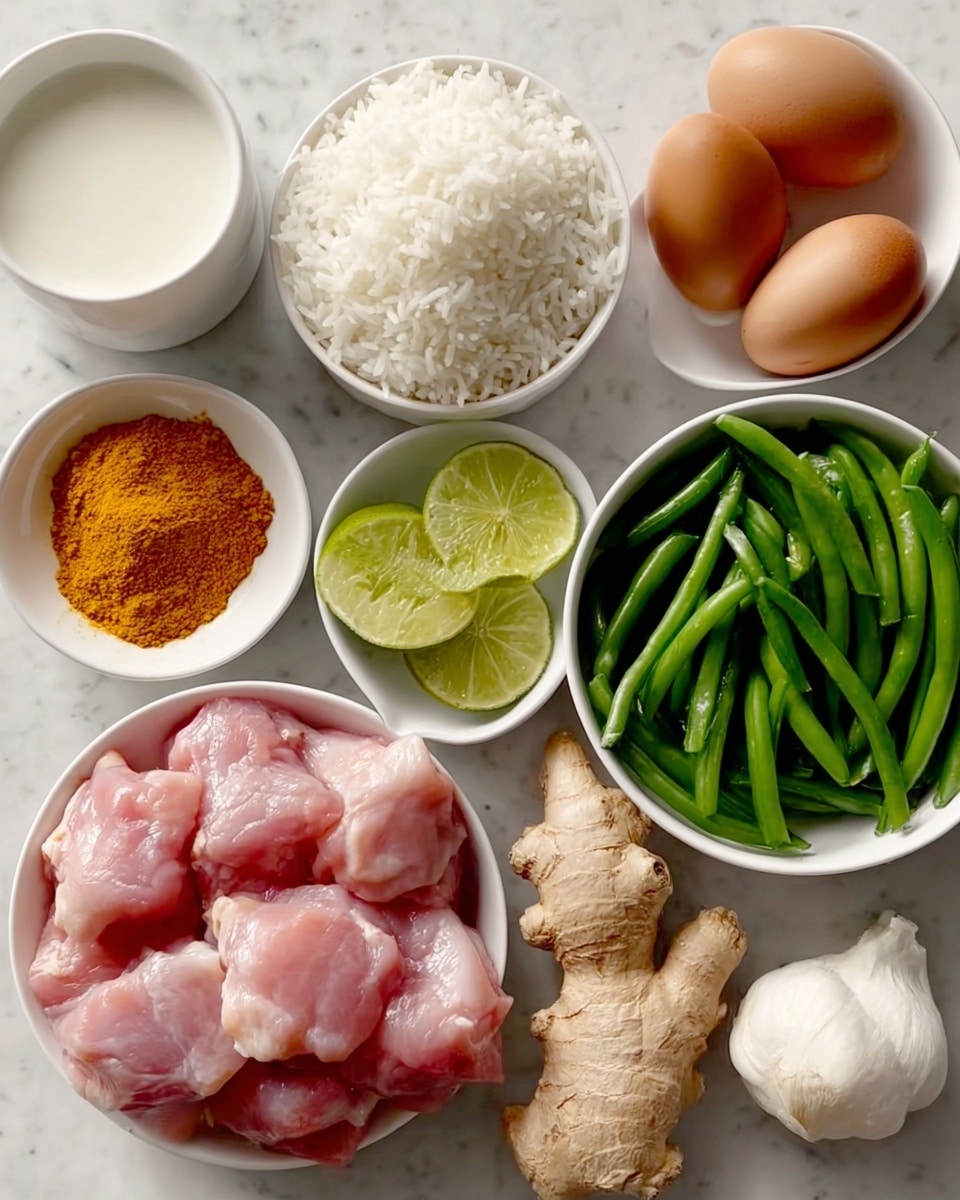
Ingredients You’ll Need
All these ingredients come together beautifully to create rich layers of flavor, but the real trick is balancing the creamy coconut with the zing of fresh ginger and lime. Shopping fresh and choosing quality coconut milk can really elevate the final dish.
- Coconut oil: Gives a subtle tropical aroma and helps brown the chicken nicely.
- Boneless skinless chicken thighs: Juicier and more flavorful than breasts—perfect for curry.
- Garlic cloves: Fresh garlic adds depth and warmth—mince them finely for even cooking.
- Freshly grated ginger: Adds a bright, zesty note that wakes up all the other flavors.
- Green onions: Both mild and fresh, great for cooking and garnishing.
- Red bell pepper: Adds sweetness and crunch—cut into thin strips to cook evenly.
- Green beans: Trimmed and cut to bite-size pieces, they maintain a nice snap in the curry.
- Carrots: Sliced thinly so they cook through without losing texture.
- Lite coconut milk: Creamy but not too heavy; key to getting that smooth curry sauce.
- Water or broth: Balances the coconut milk and helps thin out the sauce to your liking.
- Medium yellow curry powder or paste: Try to use a quality curry powder for the best flavor; paste works too if you want more intensity.
- Ground turmeric: Adds earthiness and beautiful golden color.
- Lime juice: Brightens the whole dish—freshly squeezed is best.
- Salt: Enhances and balances all the flavors.
- White basmati rice: Perfectly fluffy with a lovely nutty aroma to soak up all that curry goodness.
- Fresh cilantro: For a fresh herbal garnish that adds brightness at the end.
- Diced green onion: Adds a nice fresh crunch on top as a final touch.
Variations
I often customize this One-Pan Thai Coconut Chicken Curry Recipe depending on what’s in my fridge or dietary preferences. Don’t be afraid to make it your own—this curry is super flexible.
- Protein swap: Try shrimp or tofu instead of chicken for a delicious twist. Personally, I love throwing in shrimp for a faster cook time and a different texture.
- Vegetable variety: I’ve swapped in snap peas, baby corn, or even spinach when I want more greens or whatever veggies I have handy.
- Heat level: If you love spicy food like I do, add some sliced Thai chilies or a dash of red chili flakes to kick it up a notch.
- Thai basil: Adding fresh Thai basil instead of cilantro changes the herbaceous profile and gives a delicious twist.
- Rice alternatives: Use jasmine rice or even quinoa for a slightly different grain base, depending on your mood or pantry.
How to Make One-Pan Thai Coconut Chicken Curry Recipe
Step 1: Sear the Chicken to Lock in Juices
Heat the coconut oil in a large deep skillet or pan over medium-high heat until shimmering. Add the chicken thighs in a single layer—don’t crowd the pan! Let them brown without moving for about 4-5 minutes per side until golden. This step is crucial because it seals in the juices and gives you those lovely caramelized edges that add extra flavor later on.
Step 2: Sauté Aromatics and Vegetables
Once the chicken is browned, push it to one side of the pan and toss in the garlic, grated ginger, and green onions. Stir these around for about a minute until they’re fragrant but not burned—this aroma is key. Then add your red bell pepper, green beans, and carrots, letting them soften just a bit to keep some crunch in the final dish. If your pan looks a little dry, drizzle a bit more coconut oil here.
Step 3: Add Liquids and Spices
Pour in the coconut milk and your choice of water or broth, then sprinkle in the yellow curry powder and turmeric. Stir everything gently so the spices bloom in the warm liquid and coat the chicken and veggies evenly. Squeeze in fresh lime juice and add salt to taste. Lower the heat to a simmer, cover, and let it cook for about 15 minutes until the chicken is cooked through and the vegetables are tender but not mushy.
Step 4: Cook Rice Alongside or Separately
You can cook your basmati rice separately according to package instructions while the curry simmers. Or, if you’re feeling adventurous and want to truly keep it one-pan, you can lightly toast the rice in the pan first before adding the liquids and proceed with the cooking—all in the same pan. Just watch the liquid level closely if you try this method to avoid drying out the rice.
How to Serve One-Pan Thai Coconut Chicken Curry Recipe
Garnishes
I always top my curry with a handful of fresh cilantro and a sprinkle of diced green onions. The fresh herbs really brighten each bite and add that lovely pop of color that makes the dish even more inviting. Sometimes I even throw a few sliced chili flakes on top if I want a little heat punch right before serving.
Side Dishes
While the curry and rice hold down the meal perfectly, I like to serve these alongside a simple cucumber salad dressed with a little rice vinegar and sugar for crunch and freshness. Steamed or roasted bok choy is another great choice if you want to add more greens without overshadowing the main dish.
Creative Ways to Present
A fun presentation I tried recently was serving this curry in coconut shells for a tropical vibe at a casual dinner party—guests loved the look and it paired perfectly with the garnish of shredded toasted coconut and fresh mint. You could also layer it over coconut sticky rice for a dessert-like twist on dinner!
Make Ahead and Storage
Storing Leftovers
I always store leftover curry in an airtight container in the fridge. It holds up really well for 3-4 days, and as it sits, the flavors actually deepen. Just be sure to cool it completely before sealing to keep freshness intact.
Freezing
This curry freezes like a charm. I portion it into freezer-safe containers and freeze for up to 2 months. When you want a quick meal, just thaw overnight in the fridge and you’re set to reheat.
Reheating
To reheat, I prefer warming leftovers gently in a saucepan over medium-low heat to avoid splitting the coconut milk. Stir occasionally and add a splash of water or broth if the sauce has thickened too much. You can also microwave it covered, but keep an eye on it to prevent overheating.
FAQs
-
Can I use chicken breasts instead of thighs in this One-Pan Thai Coconut Chicken Curry Recipe?
Absolutely! You can swap in boneless skinless chicken breasts if you prefer leaner meat, but keep in mind they cook faster and can dry out more easily. To avoid this, cut the breasts into larger chunks and watch them closely while simmering—remove from heat as soon as they’re cooked through for best texture.
-
Is this recipe spicy? How can I adjust the heat?
This One-Pan Thai Coconut Chicken Curry Recipe is mild by default, making it family-friendly. If you love spicy food, simply add sliced fresh Thai chilies, a pinch of chili flakes, or even some curry paste instead of powder for extra heat. Conversely, skip those ingredients to keep it gentle on the palate.
-
Can I make this curry vegan or vegetarian?
Yes! Just replace the chicken with firm tofu or chickpeas and use vegetable broth instead of chicken broth if desired. Also, double-check your curry powder or paste to ensure it doesn’t contain any fish or shrimp products.
-
What’s the best way to prevent the coconut milk from curdling during cooking?
Cook the curry over medium to low heat and avoid boiling aggressively. Stir gently and keep an eye on the temperature. Using lite coconut milk also helps maintain a smooth texture without separating.
-
Can I prepare parts of this recipe ahead of time?
For sure. You can chop all your veggies and marinate the chicken a few hours or even a day ahead. Cooking everything fresh is best, but prepping in advance will definitely save you time on busy evenings.
Final Thoughts
This One-Pan Thai Coconut Chicken Curry Recipe holds a special place in my heart because it combines simplicity and bold flavors in a way that feels like a little escape right in my own kitchen. I hope you’ll enjoy making it as much as I do—it’s the kind of dish that’s perfect for sharing with friends or just treating yourself after a long day. Give it a try, and don’t be surprised if it quickly becomes one of your weeknight staples too.
Print
One-Pan Thai Coconut Chicken Curry Recipe
- Prep Time: 15 minutes
- Cook Time: 25 minutes
- Total Time: 40 minutes
- Yield: 4 servings 1x
- Category: Main Course
- Method: Stovetop
- Cuisine: Thai
- Diet: Gluten Free
Description
This One-Pan Thai Coconut Chicken Curry is a flavorful and easy-to-make dish featuring tender chicken thighs simmered in a fragrant coconut curry sauce with vibrant vegetables. It’s cooked in a single pan for convenience, paired perfectly with fluffy basmati rice and fresh garnishes for an authentic Thai-inspired meal.
Ingredients
Protein and Fats
- 1 tablespoon coconut oil, plus more if necessary
- 1 pound boneless skinless chicken thighs
Vegetables & Aromatics
- 2 cloves garlic, minced
- 1 tablespoon freshly grated ginger
- 1 bunch green onions, chopped
- 1 red bell pepper, julienned
- 8 oz green beans, ends trimmed and cut into roughly 2 inch long pieces
- 2 medium carrots, sliced
Liquids & Spices
- 1 (15 ounce) can lite coconut milk
- 1/2 cup water or broth
- 1 tablespoon medium yellow curry powder (or 2 tablespoons yellow curry paste)
- 1 teaspoon ground turmeric
- 1 lime, juiced
- ½ teaspoon salt
Grain
- 1 cup white basmati rice
To Garnish
- Fresh cilantro
- Diced green onion
Instructions
- Prepare Ingredients: Mince the garlic, grate the ginger, chop the green onions, julienne the red bell pepper, trim and cut the green beans, and slice the carrots. Rinse the basmati rice under cold water until the water runs clear.
- Sauté Aromatics and Chicken: Heat 1 tablespoon of coconut oil in a large deep skillet or pan over medium-high heat. Add the chicken thighs and sear them until browned on both sides, about 3-4 minutes per side. Remove the chicken from the pan and set aside. In the same pan, add the minced garlic, grated ginger, and chopped green onions; sauté for 1-2 minutes until fragrant.
- Add Spices and Vegetables: Stir in the yellow curry powder (or paste) and turmeric, coating the aromatics. Add the bell pepper, green beans, and carrots, stirring to combine and cook for 3-4 minutes to soften slightly.
- Simmer with Liquids: Pour in the lite coconut milk and 1/2 cup of water or broth. Return the chicken to the pan, nestling it among the vegetables. Bring the mixture to a gentle simmer, cover, then reduce heat to low and cook for 15-20 minutes until the chicken is cooked through and vegetables are tender.
- Cook the Rice: While the curry simmers, cook the basmati rice according to package instructions or by boiling 2 cups of water, adding the rice, covering, and simmering on low heat for 15 minutes until water is absorbed and rice is fluffy.
- Finish and Season: Once the curry is cooked, stir in the lime juice and salt to balance the flavors. Taste and adjust seasoning if needed.
- Serve: Plate the basmati rice and ladle the Thai coconut chicken curry on top or alongside. Garnish with fresh cilantro leaves and diced green onions for added freshness and color.
Notes
- You can substitute chicken thighs with chicken breasts but adjust cooking time accordingly to avoid drying out.
- If you prefer a spicier curry, add fresh sliced chili or increase the amount of curry paste.
- For a vegetarian version, omit chicken and add tofu or chickpeas as protein alternatives.
- Leftovers store well in the fridge for up to 3 days and reheat gently on the stove or microwave.
- Use low sodium broth to control salt content.