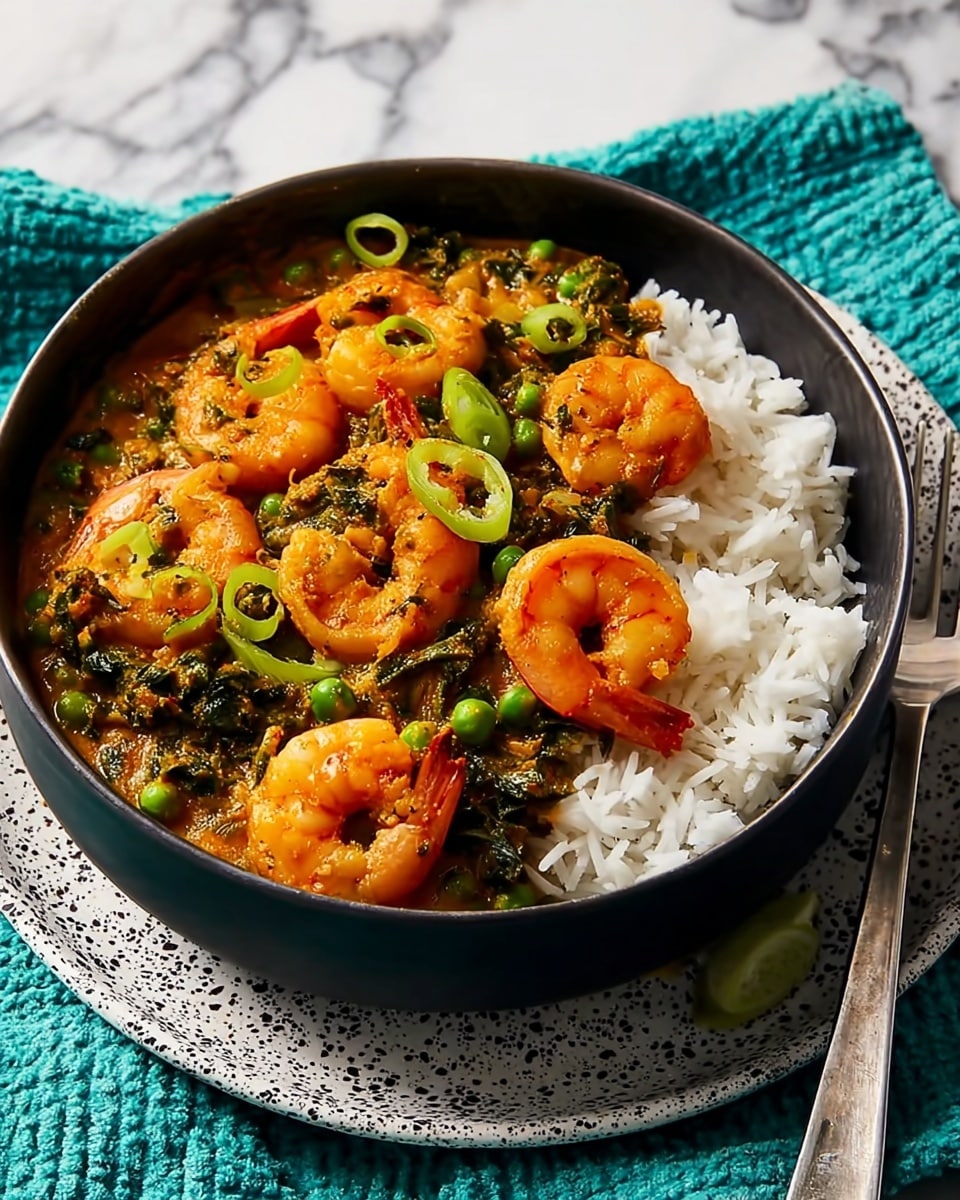
Coconut Curry Shrimp with Peas Recipe
I can’t tell you how much I love this Coconut Curry Shrimp with Peas Recipe—it’s become one of my go-to meals for busy weeknights when I want something both comforting and a bit exotic. The creamy coconut milk paired with warming spices and the sweetness of peas creates this incredible flavor balance that just makes you smile with every bite. Plus, it’s surprisingly simple to pull together, which is always a win in my kitchen.
If you’re craving a dish that feels special but doesn’t require hours of prep, this Coconut Curry Shrimp with Peas Recipe is your friend. The shrimp cooks up quickly, the curry sauce is rich yet light, and the peas add a fresh pop of color and crunch. Honestly, it’s a crowd-pleaser and something I often make when friends come over because it looks elegant but feels totally relaxed.
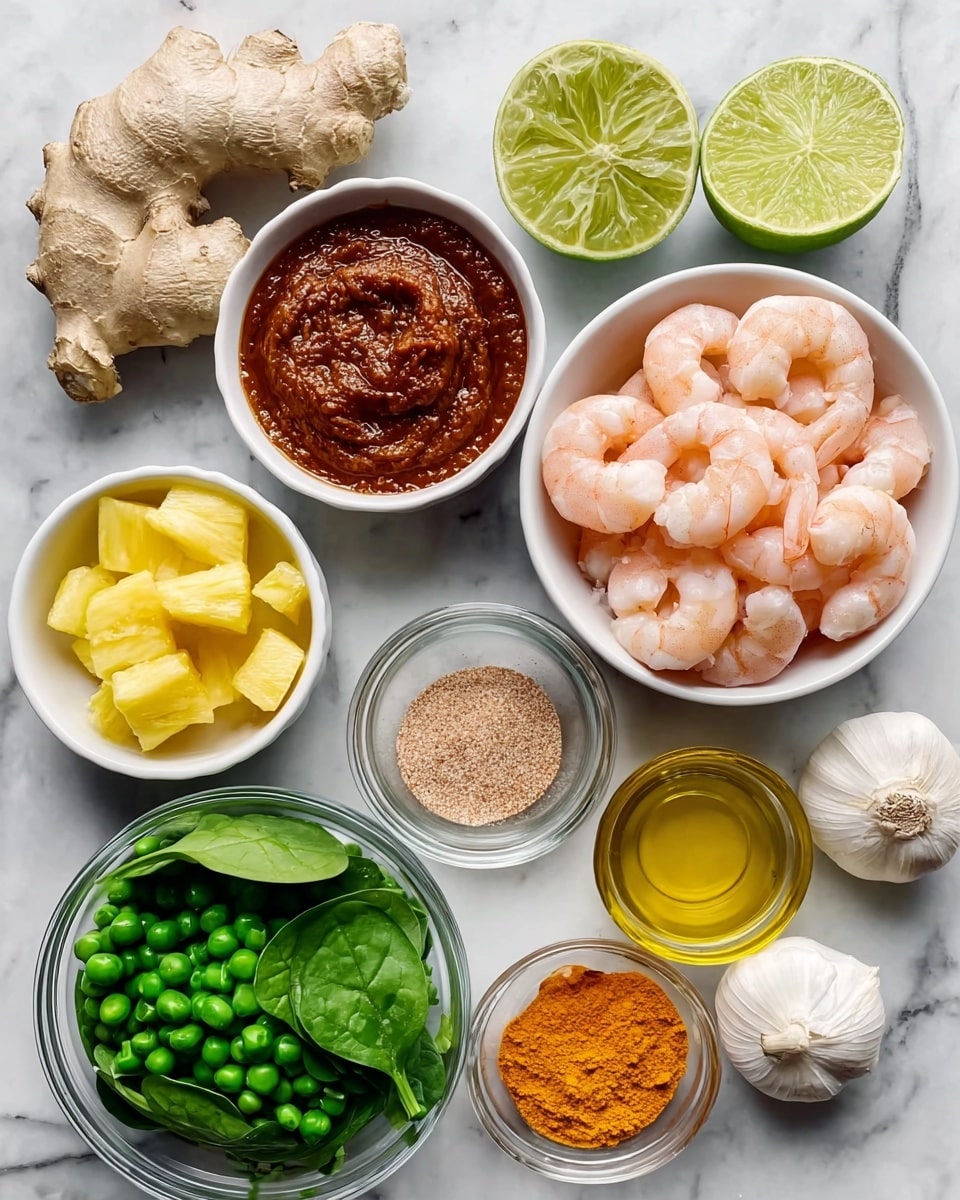
Ingredients You’ll Need
Everything here works together in harmony to build that beautiful, silky curry and keep the shrimp juicy and flavorful. When shopping, picking fresh shrimp and full-fat coconut milk really makes a difference in the taste and texture.
- Virgin coconut or vegetable oil: Virgin coconut oil adds a subtle coconut hint that enhances the curry, but vegetable oil works just fine if you prefer neutral flavor.
- Yellow onion: A small, finely chopped onion forms the aromatic base—you want it soft and golden for maximum sweetness.
- Kosher salt: Essential for balancing all the flavors throughout the dish—adjust to your taste.
- Fresh ginger: I always peel and finely chop fresh ginger for that warm zing that brightens the curry.
- Serrano chile: I like to remove the seeds to keep the heat mild, but leave them in if you’re feeling spicy.
- Garlic: Four cloves give a nice punch without overpowering—freshly chopped is best.
- Tomato paste: It adds a lovely depth and richness to the sauce—don’t skip it!
- Garam masala: This spice blend really brings that signature curry warmth—freshly ground if possible.
- Sweet paprika: Adds a gentle smoky sweetness that pairs beautifully with the turmeric and garam masala.
- Ground turmeric: Gorgeous golden color and mild earthiness—key for that curry vibe.
- Full-fat coconut milk: The star of the sauce—makes it creamy and luscious. Avoid light coconut milk here for best results.
- Brown sugar: Just a touch to balance the acidity and spices.
- Jumbo shrimp: Peeled and deveined shrimp cook fast and soak up the curry—in my experience, buying fresh or thawing frozen shrimp carefully helps with texture.
- Frozen petite peas: Convenient and sweet; toss them in towards the end for a nice burst of green and sweetness.
- Baby spinach: Adds freshness and nutrition without competing with the curry flavors—stir it in last to wilt gently.
- Fresh lime juice: Brightens everything up just before serving, making the flavors pop.
- For serving – cooked white or brown rice: Rice is perfect to soak up all that delicious curry sauce.
- Lime wedges: For an extra fresh squeeze on top—love that little citrus zing!
Variations
I often experiment a bit with this Coconut Curry Shrimp with Peas Recipe depending on what’s in my fridge or my mood, and I encourage you to do the same! It feels super flexible—tailor the spice level, swap ingredients, even make it plant-based if you want.
- Spice it up: I’ve added an extra serrano or swapped it for a fresher jalapeño when I want more heat, and it still tastes fantastic.
- Swap protein: Sometimes I use scallops or firm white fish instead of shrimp, and it works just as well.
- Dairy-free and vegan: Skip the shrimp and add extra peas and vegetables like bell peppers or sweet potatoes for a hearty plant-based version.
- Add crunch: Toasted cashews on top add a lovely contrast and nutty flavor—my go-to special touch.
How to Make Coconut Curry Shrimp with Peas Recipe
Step 1: Sauté the Aromatics to Build Flavor
Heat your oil in a large skillet over medium heat. Toss in the finely chopped onion with a pinch of kosher salt and soften it gently—this usually takes about 5 minutes. Once the onions are translucent and slightly golden, add the ginger, serrano chile, and garlic. Stir them around for another 2 minutes until fragrant, making sure not to let the garlic burn, which can get bitter. This base is what sets the tone for the whole dish, so take your time here to coax out all those lovely aromas.
Step 2: Layer in Tomato Paste and Spices
Now, stir in the tomato paste and cook it for a minute or two—this small step deepens the flavor and removes any raw taste. Next, sprinkle in the garam masala, sweet paprika, and turmeric. Give everything a good stir so the spices toast lightly in the oil; this unlocks their oils and enhances the curry’s complexity. Keep the heat moderate—you want the spices to bloom, not burn.
Step 3: Pour in Coconut Milk and Sweeten
Pour the entire can of coconut milk into the skillet and whisk it together with the spiced onion mixture. Add the brown sugar to balance the flavors. Bring everything to a gentle simmer and let it cook for about 5 minutes, allowing the sauce to thicken slightly and for the flavors to meld beautifully. This is where your kitchen will start smelling incredible—enjoy that moment!
Step 4: Cook the Shrimp and Add Peas and Spinach
Add the shrimp to the simmering curry sauce, stirring gently to coat them well. They’ll cook quickly—usually 3 to 4 minutes until they’re pink and opaque. Be careful not to overcook; shrimp can get rubbery fast. When the shrimp is almost done, toss in the frozen peas and baby spinach. Stir everything together and cook until the spinach wilts and peas are heated through, another 2 minutes or so.
Step 5: Brighten with Lime Juice and Final Taste
Turn off the heat and squeeze in fresh lime juice to taste—the acidity really elevates the dish by cutting through the richness. Give it a gentle stir and taste once more, adjusting salt or lime if needed. Now you’re ready to plate!
How to Serve Coconut Curry Shrimp with Peas Recipe
Garnishes
I love topping this coconut curry shrimp with a few fresh cilantro leaves or chopped Thai basil when I have it on hand—it adds a clean, herbaceous note that balances the creamy curry. A wedge of lime on the side is essential for that final burst of freshness. Sometimes, I sprinkle a little toasted shredded coconut or crushed peanuts for a fun texture contrast.
Side Dishes
This dish is perfect over a bed of fluffy white jasmine rice or nutty brown rice to soak up the curry sauce. If you want to keep it low-carb, I’ve also served it alongside cauliflower rice or spiralized zucchini noodles—both absorb the sauce nicely and keep things light.
Creative Ways to Present
For special dinners, try serving the Coconut Curry Shrimp with Peas Recipe in small, pretty bowls with a sprinkle of microgreens on top. Or, plate it with colorful roasted vegetables on the side to make a vibrant, restaurant-quality meal. Adding a colorful cloth napkin and some candles sets a cozy vibe that makes the meal feel like a celebration.
Make Ahead and Storage
Storing Leftovers
I store leftovers in an airtight container in the fridge for up to 3 days. Keep the rice separate if you made it ahead—you don’t want it to get mushy. The shrimp and peas curry hold up really well, and I find the flavors deepen overnight, making the next-day meal even better.
Freezing
Freezing is doable but a bit tricky with the shrimp, which can become a little tough. If you want to freeze, I usually remove the shrimp first and freeze the curry sauce with peas separately. You can add freshly cooked shrimp when reheating for best texture. Otherwise, freeze only if you plan to eat within a month to keep flavors vibrant.
Reheating
To reheat, I gently warm the curry in a skillet over medium-low heat, stirring occasionally. If it’s thickened too much, I add a splash of water or more coconut milk to loosen the sauce. Always add fresh lime juice again at the end to brighten up the reheated dish—it really revives those flavors.
FAQs
-
Can I use frozen shrimp for this Coconut Curry Shrimp with Peas Recipe?
Absolutely! Just make sure to thaw your shrimp completely and pat them dry so they cook evenly and don’t release excess water into the curry. This helps maintain a rich sauce consistency and tender shrimp texture.
-
Is it possible to make this coconut curry dish spicy?
Yes! You can easily adjust the spice by using more serrano chile, leaving in the seeds, or adding a pinch of cayenne pepper or chili flakes. Start small, taste, and increase gradually to suit your heat preference.
-
Can I substitute the shrimp with another protein?
Definitely! Firm white fish, scallops, or even tofu can work well here, adjusting cooking times accordingly. Just remember that tofu benefits from pressing beforehand and won’t cook nearly as fast as shrimp.
-
What if I don’t have garam masala?
No worries—use a mix of ground cumin, coriander, cinnamon, and cloves to mimic garam masala flavors. It won’t be identical but still delicious and flavorful.
-
How can I make this dish vegan?
Simply skip the shrimp and double up on peas and other veggies like bell peppers, cauliflower, or sweet potato. The coconut milk and spices provide plenty of rich flavor, so it’s naturally vegan-friendly.
Final Thoughts
To me, this Coconut Curry Shrimp with Peas Recipe feels like a little tropical vacation on a plate—comforting, spicy, creamy, and fresh all at once. It’s one of those dishes I come back to again and again because it’s simple to make, full of layers of flavor, and always a hit. I truly hope you’ll enjoy making and sharing it as much as I do; once you try it, I have a feeling it’ll become a favorite in your dinner rotation too.
Print
Coconut Curry Shrimp with Peas Recipe
- Prep Time: 15 minutes
- Cook Time: 20 minutes
- Total Time: 35 minutes
- Yield: 4 servings 1x
- Category: Main Dish
- Method: Stovetop
- Cuisine: Indian-inspired
Description
This Coconut Curry Shrimp with Peas recipe features succulent jumbo shrimp simmered in a rich and creamy coconut milk-based curry infused with aromatic spices like garam masala, turmeric, and paprika. Paired with tender peas and fresh baby spinach, it’s a vibrant and flavorful dish served best alongside fluffy white or brown rice and a squeeze of fresh lime for a perfect balance of zest and creaminess.
Ingredients
For the Curry
- 1 Tbsp. virgin coconut or vegetable oil
- 1 small yellow onion, finely chopped
- Kosher salt, to taste
- 1 (2″) piece ginger, peeled, finely chopped (about 1 tbsp.)
- 1/2 serrano chile, very thinly sliced, seeds removed if desired for less heat
- 4 cloves garlic, finely chopped
- 2 Tbsp. tomato paste
- 2 tsp. garam masala
- 2 tsp. sweet paprika
- 1 tsp. ground turmeric
- 1 (14-oz.) can full-fat coconut milk
- 1 tsp. brown sugar
- 1 1/2 lb. jumbo (16/20) shrimp, peeled and deveined
- 1 (10-oz.) bag frozen petite peas (about 2 cups)
- 5 oz. baby spinach
- 2 Tbsp. fresh lime juice
For Serving
- Cooked white or brown rice
- Lime wedges
Instructions
- Heat the oil: In a large skillet over medium heat, warm 1 tablespoon of virgin coconut or vegetable oil until shimmering.
- Sauté aromatics: Add the finely chopped yellow onion and a pinch of kosher salt. Cook until translucent and soft, about 5 minutes. Stir in the chopped ginger, serrano chile, and garlic; cook for another 1-2 minutes until fragrant.
- Add spices and tomato paste: Stir in 2 tablespoons tomato paste, 2 teaspoons garam masala, 2 teaspoons sweet paprika, and 1 teaspoon ground turmeric. Cook the mixture, stirring frequently, for 2 minutes to toast the spices and deepen flavors.
- Pour coconut milk: Pour in the full-fat coconut milk and add 1 teaspoon brown sugar, stirring to combine. Bring the mixture to a gentle simmer and let it thicken slightly, about 5 minutes.
- Cook shrimp and peas: Add the peeled and deveined jumbo shrimp along with the frozen petite peas to the curry. Simmer gently until the shrimp turn pink and opaque, and the peas are heated through, roughly 4-6 minutes. Do not overcook the shrimp to keep them tender.
- Finish with spinach and lime: Stir in 5 ounces of baby spinach and cook until wilted, about 1-2 minutes. Remove the skillet from heat, then stir in 2 tablespoons fresh lime juice for brightness.
- Serve: Spoon the coconut curry shrimp and peas over cooked white or brown rice. Garnish with lime wedges for added zest if desired. Enjoy immediately while hot.
Notes
- Use virgin coconut oil to enhance the coconut flavor, or vegetable oil as a neutral alternative.
- Adjust the amount of serrano chile according to your spice preference; removing seeds will reduce heat.
- Full-fat coconut milk is key for a rich and creamy curry texture.
- Peas can be fresh or frozen; just ensure they are cooked through in the curry.
- Cooking shrimp briefly prevents them from becoming tough and rubbery.
- This dish pairs wonderfully with jasmine or basmati rice but brown rice works well for a heartier, whole grain option.