Chicken Piccata Pasta Recipe
If you love a tangy, buttery pasta dish that hits all the right notes, you’re going to want to try this Chicken Piccata Pasta Recipe. It’s a beautiful marriage between the bright, citrusy flavors of classic piccata sauce and tender chicken paired with perfectly cooked pasta. What I love most is how it’s surprisingly simple to pull together on a weeknight but feels fancy enough for guests too.
Every time I make this Chicken Piccata Pasta Recipe, I’m reminded why it’s a staple in my kitchen arsenal. The sauce is rich and silky, balanced with lemon and capers that add a lovely pop of flavor without overpowering the chicken or pasta. Plus, it all comes together in about an hour, which means you get a gourmet meal without spending half your day cooking.
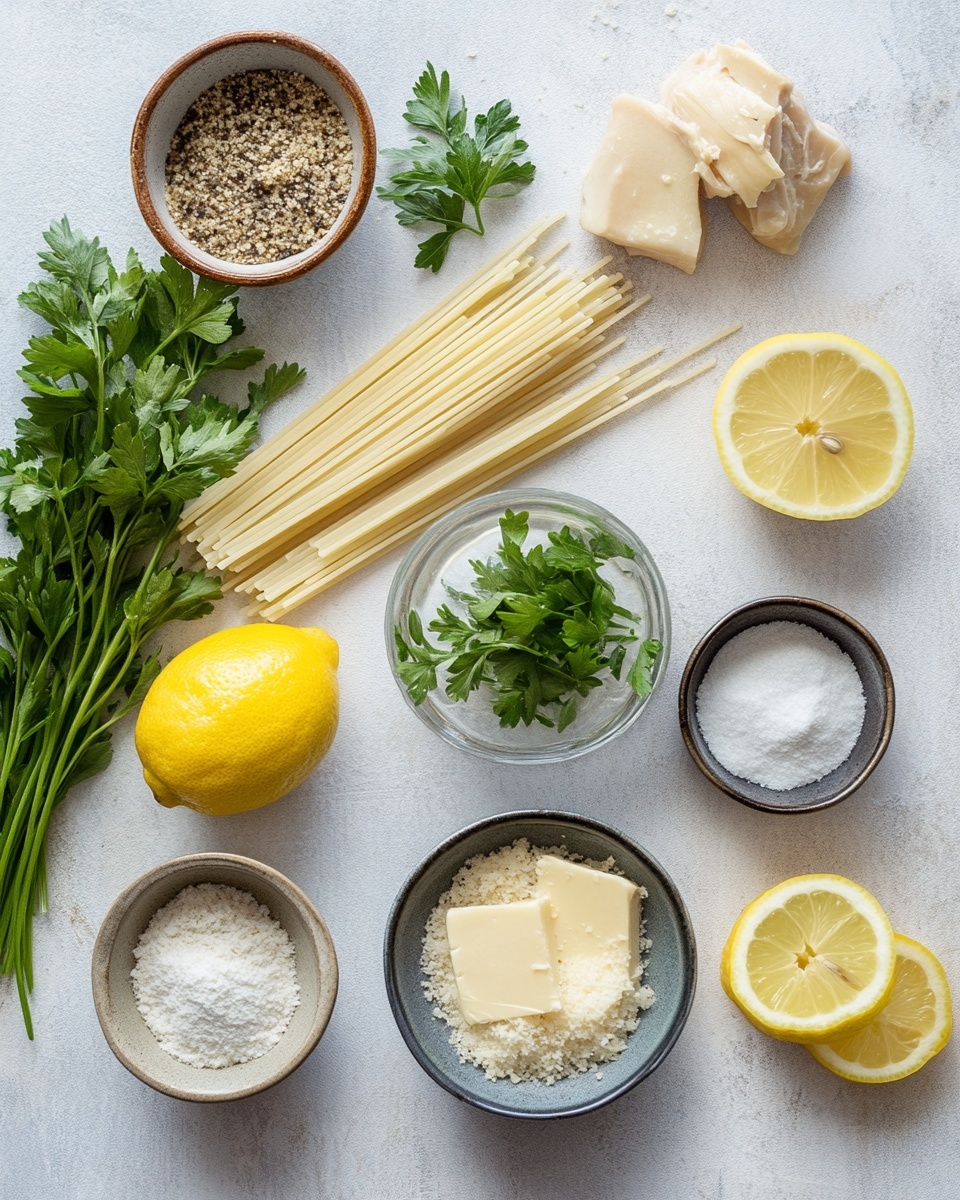
Ingredients You’ll Need
The ingredients here work harmoniously to build that classic piccata flavor profile, while also keeping the pasta saucy and luscious. A few pantry staples like Dijon mustard and chicken broth elevate the sauce, and don’t skip the capers — they’re the little bursts of flavor that make this dish special.
- Chicken broth: Adds depth and richness to the sauce, better than water for flavor.
- Chicken bouillon cube: A handy way to boost chicken flavor quickly.
- Dried parsley: For a subtle herbal note; fresh works too if you have it on hand.
- Dijon mustard: Gives the sauce a mild tang and helps emulsify it.
- Boneless skinless chicken breast: Tender and ideal for quick cooking; pounding it helps it cook evenly.
- Olive oil: Used for searing the chicken, choose extra virgin for best flavor.
- Flour and parmesan cheese (for dredging): The parmesan adds a nice cheesy crust to the chicken.
- Dry white wine: Adds acidity and complexity; Sauvignon Blanc or Pinot Grigio are great choices.
- Cold salted butter: Added at key steps to enrich and lend creaminess to the sauce.
- Garlic: Fresh and minced, it brings warmth and aroma.
- Flour (for sauce thickening): Helps create that silky, clingy texture on the pasta.
- Radiator pasta: Its ridges hold onto the sauce beautifully; rigatoni or penne work too.
- Pasta water: The starchy water helps the sauce stick to the pasta.
- Capers: The briny, salty kick that defines piccata.
- Fresh lemon juice: Essential for that bright citrus punch.
- Parmesan cheese (for finishing): More umami and richness to finish the dish.
- Fresh lemons and parsley (for serving): For visual appeal and an extra fresh note.
Variations
This Chicken Piccata Pasta Recipe is a fantastic base you can easily tweak depending on your mood or what’s available. I love making it with gluten-free pasta sometimes or swapping out the chicken for shrimp to surprise my family with a lighter twist.
- Using shrimp instead of chicken: Shrimp cooks quickly and pairs wonderfully with the piccata sauce. Great when you want a seafood option!
- Gluten-free pasta substitution: Works just as well, and the sauce clings nicely to a good-quality gluten-free pasta.
- Add some fresh spinach or arugula: Toss in at the end for a pop of green and extra freshness.
- Make it dairy-free: Substitute parmesan and butter with dairy-free alternatives, and it’s just as tasty.
- Seasonal twist: Try adding sun-dried tomatoes or roasted red peppers for a colorful spin.
How to Make Chicken Piccata Pasta Recipe
Step 1: Prep the Sauce and Chicken
Start by mixing the sauce ingredients—chicken broth, the chicken bouillon cube, dried parsley, and Dijon mustard—in a measuring cup with a spout. This makes adding it later so much easier. Meanwhile, combine the flour and parmesan cheese in a bowl; this mixture will give your chicken a crispy, cheesy coating. Pro tip: tenderize the chicken breasts with a meat mallet under plastic wrap so they cook evenly and remain juicy.
Step 2: Dredge and Sear the Chicken
Rub olive oil on the chicken strips—this helps the flour-parmesan mixture stick nicely. Coat each piece well, one at a time, and then sear them in a hot skillet with more olive oil until golden and cooked through, about 3-4 minutes per side. Don’t overcrowd the pan; you want a nice crust, not soggy chicken. Set the chicken aside once it’s done.
Step 3: Make the Sauce and Cook Pasta
In the same skillet, pour in the white wine and scrape up all those tasty browned bits from the chicken—this is flavor gold. Let it reduce by half over medium heat for about 4-5 minutes. Then, stir in butter and garlic, cooking just a minute until fragrant. Sprinkle in the flour and keep stirring so it doesn’t clump. Add the sauce mix little by little, whisking constantly until it comes to a boil, then reduce to a simmer.
At the same time, get your pasta water boiling—add a good pinch of salt once it boils. Cook the radiator pasta until al dente. Before draining, reserve about ¼ cup of that starchy pasta water to add back into the sauce for perfect consistency.
Step 4: Combine and Finish the Dish
Return the drained pasta to the skillet with your sauce along with reserved pasta water and capers. Toss everything gently to coat. Add the grated parmesan and lemon juice for that signature brightness and creaminess. Nestle the cooked chicken strips back in, stirring to warm through. Finally, stir in the cold butter off the heat for a glossy finish. Remove from heat and get ready for serving!
How to Serve Chicken Piccata Pasta Recipe
Garnishes
I always top this pasta with thinly sliced fresh lemons and a sprinkle of roughly chopped parsley. The lemons not only look pretty but add an extra zesty aroma when you dig in. A little green parsley brightens the plate and complements the flavors beautifully.
Side Dishes
For sides, I love serving this with a light arugula salad tossed in lemon vinaigrette or some roasted asparagus. Garlic bread also pairs perfectly, helping soak up every last bit of that incredible piccata sauce.
Creative Ways to Present
When I’ve had friends over, I like to serve this in shallow bowls to show off the chicken strips nestled on top of the sauce-coated pasta. Adding a lemon wedge and a sprig of fresh parsley on each plate makes it feel a little extra special without any fuss.
Make Ahead and Storage
Storing Leftovers
I store leftovers in an airtight container in the fridge for up to three days. The pasta will soak up some sauce over time, so if you find it a bit thick, just loosen it with a splash of water or broth when reheating.
Freezing
Freezing works well for this dish, too. I portion it out into freezer-safe containers and it keeps for about three months. Just thaw overnight in the fridge before reheating.
Reheating
The best way I’ve found to reheat is using a makeshift double boiler or gently warming over low heat in a skillet with a little bit of water or broth to loosen the sauce. This keeps the chicken tender and the sauce silky instead of drying out.
FAQs
-
Can I use a different type of pasta for this recipe?
Absolutely! While radiator pasta is ideal for catching the sauce, penne, rigatoni, or even farfalle work great as well. Just make sure you cook the pasta to al dente so it holds up when mixed with the sauce.
-
What if I don’t have white wine?
If you’d rather skip the wine, you can substitute it with additional chicken broth and a splash of white wine vinegar or lemon juice to maintain acidity. The depth may vary slightly, but it’ll still taste great.
-
How do I prevent the chicken from drying out?
Make sure to pound the chicken breasts evenly and don’t overcook them. Searing for about 3-4 minutes per side over medium-high heat usually keeps them juicy. Also, adding the chicken back to the simmering sauce helps them stay tender.
-
Can I prep parts of this recipe ahead of time?
Yes, you can prep the chicken by shredding or slicing it ahead and even make the sauce base in advance, storing it separately. Just combine and reheat gently when ready to serve for a quicker dinner.
-
Is this recipe kid-friendly?
Definitely! The flavors are bright but not overly spicy, and the pasta is always a hit with kids. You can adjust the amount of lemon juice or capers if your little ones prefer milder tastes.
Final Thoughts
I honestly can’t say enough good things about this Chicken Piccata Pasta Recipe. It’s one of those dishes that feels like a treat but comes together without fuss. Whenever I make it, I get compliments that keep me making it again and again — and I think you’ll love how approachable and delicious it is too. Give it a try, and I bet it’ll become one of your go-to comfort food dinners!
Print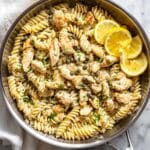
Chicken Piccata Pasta Recipe
- Prep Time: 25 minutes
- Cook Time: 35 minutes
- Total Time: 1 hour
- Yield: 6 servings 1x
- Category: Main Course
- Method: Stovetop
- Cuisine: Italian-American
Description
This Chicken Piccata Pasta recipe combines tender, lightly breaded chicken strips with a luscious lemony caper sauce, creamy Parmesan cheese, and perfectly cooked radiator pasta. The sauce features a flavorful blend of chicken broth, Dijon mustard, white wine, and fresh lemon juice, creating a tangy yet savory dish that’s ideal for a comforting meal. The pasta is finished with cold butter to add richness and a glossy finish, while garnished with fresh lemon slices and chopped parsley for brightness and freshness.
Ingredients
Sauce:
- 2 cups chicken broth
- ½ chicken bouillon cube
- 1 teaspoon dried parsley
- 1 teaspoon Dijon mustard
Chicken:
- 1 ¼ lbs. boneless skinless chicken breast
- Salt and pepper, to taste
- 3 tablespoons olive oil, divided
- ¼ cup flour
- ¼ cup Parmesan cheese, grated
Pasta:
- ¾ cup dry white wine
- 6 tablespoons cold salted butter, divided
- 3–4 cloves garlic, minced
- 3 tablespoons flour
- ½ lb. radiatori pasta
- ¼ cup reserved pasta water
- 2 tablespoons capers, drained
- ¼ cup fresh lemon juice
- ½ cup Parmesan cheese, grated
For Serving:
- Freshly sliced lemons
- Roughly chopped parsley
Instructions
- Prepare the sauce mixture: Combine the chicken broth, half a chicken bouillon cube, dried parsley, and Dijon mustard in a medium measuring cup with a spout. Set aside.
- Mix flour and Parmesan for chicken coating: In a medium bowl, combine the flour and grated Parmesan cheese. Set aside for breading the chicken.
- Tenderize and cut chicken: Cover the chicken breasts with plastic wrap and gently pound using the textured side of a meat mallet until evenly tender. Cut the chicken into 2-inch strips and pat dry completely to ensure a good sear.
- Coat the chicken: Rub 1 tablespoon olive oil evenly over the chicken pieces to help the flour mixture adhere. Dredge each piece individually in the flour and Parmesan mixture, coating all sides thoroughly.
- Sear the chicken: Heat the remaining 2 tablespoons olive oil in a skillet over medium-high heat. Add the coated chicken strips and cook until golden brown and cooked through, about 3-4 minutes per side. Remove from the skillet and set aside.
- Boil pasta water: While cooking the chicken, bring a large pot of water to a boil. Once boiling, add ½ tablespoon kosher salt to season the water.
- Deglaze skillet with white wine: Add the white wine to the skillet used for chicken and set heat to medium. Use a silicone spatula to scrape up browned bits from the bottom and sides of the pan. Simmer and reduce the wine by half over 4 to 5 minutes to concentrate flavor.
- Add butter and garlic: Stir in 3 tablespoons of cold butter and the minced garlic to the skillet. Cook for 1 minute until fragrant and the butter is melted.
- Make roux and add sauce mixture: Sprinkle in 3 tablespoons flour and stir continuously for 1 minute to form a roux. Gradually whisk in the prepared sauce mixture in small splashes while stirring. Bring to a boil, then reduce to a simmer and cover partially.
- Cook pasta: Meanwhile, cook the radiatori pasta in the boiling salted water until al dente according to package directions. Save ¼ cup of pasta water by ladling it from the foam just before draining the pasta.
- Toss pasta in sauce: Add the drained pasta, reserved pasta water, and capers to the skillet with the simmering sauce. Toss to coat evenly, reduce heat to low.
- Add lemon juice and Parmesan: Stir in ½ cup grated Parmesan cheese and ¼ cup fresh lemon juice. Mix gently to combine.
- Return chicken to skillet: Add the cooked chicken strips back into the sauce and pasta mixture. Stir carefully to heat through and combine flavors.
- Finish with cold butter: Stir in the remaining 3 tablespoons of cold butter until melted to give the sauce a glossy, rich finish. Remove from heat.
- Garnish and serve: Plate the pasta and chicken, then garnish with fresh lemon slices and roughly chopped parsley. Serve immediately.
Notes
- Pro Tips: Use the textured side of the meat mallet carefully to tenderize the chicken evenly without tearing the meat.
- Storage: Refrigerate leftovers in an airtight container for up to 3 days. This dish also freezes well for up to 3 months.
- Reheating: Reheat gently on the stovetop using a double boiler method to restore the sauce’s creamy texture without overcooking the pasta.
- Nutritional Info: Estimated per serving, with 6 servings total.
- Use a dry white wine like Sauvignon Blanc or Pinot Grigio for best flavor in the sauce.
- Radiatori pasta is recommended for its ability to hold the sauce well, but other short pasta shapes like penne or rigatoni can be substituted.