Skillet Lasagna Recipe
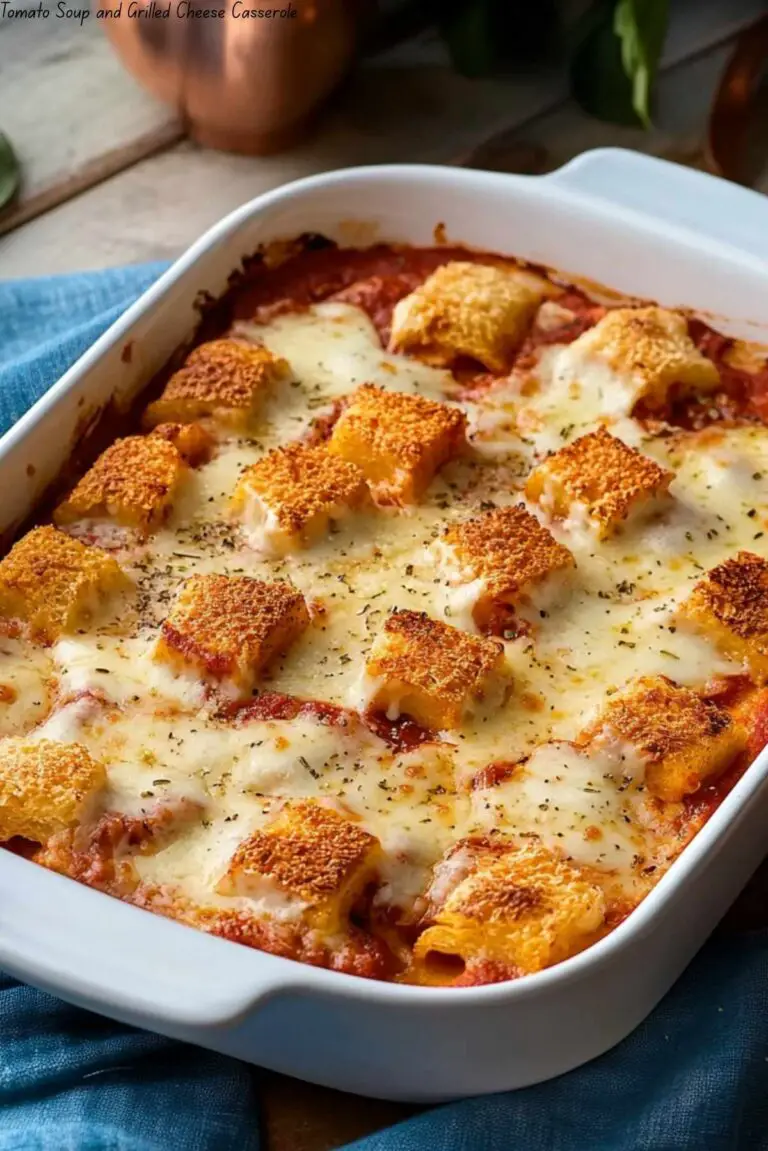
I’m super excited to share this Skillet Lasagna Recipe with you because it’s seriously a game-changer when you want all the comforting flavors of classic lasagna without the fuss of layering and baking for hours. I remember the first time I made it after a long workday—I had zero energy and time, but still craved that cheesy, saucy goodness. This recipe comes together quickly in one skillet, making cleanup a breeze, and you get tender noodles simmered right in the sauce, soaking up all those rich flavors.
What makes this Skillet Lasagna Recipe so worth trying is how it combines convenience with that homemade taste we all love. Plus, it’s incredibly forgiving—you don’t need to be a pro chef to nail it. Whether it’s a busy weeknight meal or a casual weekend dinner, this skillet lasagna hits all the right notes and feels like a warm hug on a plate. Trust me, you’ll want to keep this recipe in your rotation.
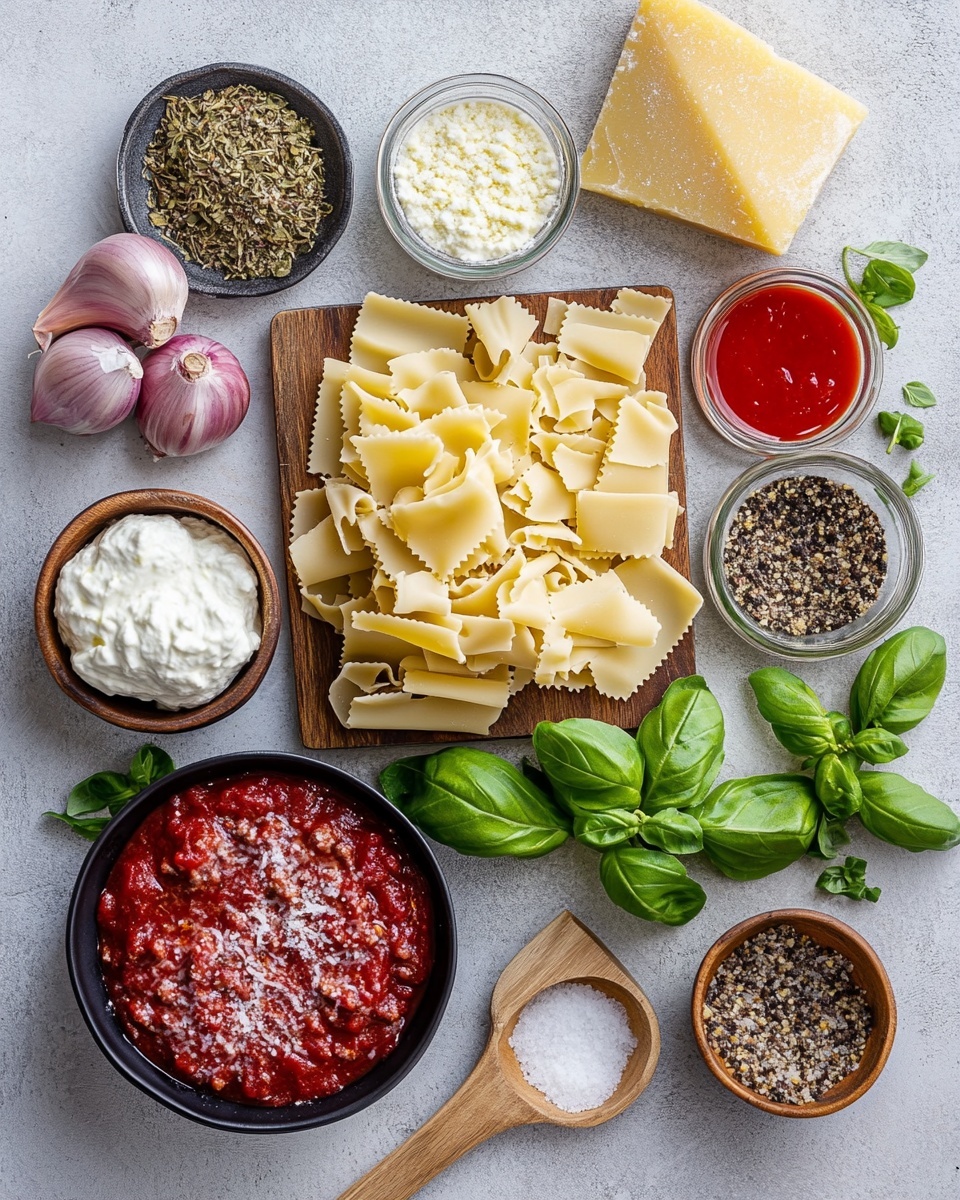
Ingredients You’ll Need
These ingredients come together to create that classic lasagna flavor, but the beauty here is how they cook all in one skillet, blending perfectly. When you’re shopping, fresh basil and good quality cheeses will really elevate the dish.
- Lean ground beef: Choose 90% lean or leaner for fewer drippings and a nice meaty base.
- Sweet Italian sausage: Adds extra depth and spice—remove casings if needed for easy breaking in the pan.
- Minced garlic: Fresh is best for that fragrant punch you want early in cooking.
- Full size lasagna noodles: Break into small pieces; this helps them cook faster and absorb flavors evenly.
- Jarred pasta sauce: A good quality marinara saves time; look for one without added sugars for a cleaner taste.
- Water: Keeps the sauce from drying out as the noodles cook.
- Italian seasoning: The classic herb mix ties the sauce together nicely.
- Crushed red pepper flakes (optional): For a little heat—add or skip depending on your family’s taste.
- Ricotta cheese: Adds creaminess and richness inside the layers.
- Freshly shredded Parmesan cheese: For that salty, umami boost mixed into the ricotta.
- Kosher salt: Essential for seasoning that brings out the flavors.
- Fresh cracked black pepper: Adds a subtle sharpness to complement the cheeses.
- Freshly shredded mozzarella cheese: Melts beautifully for that classic, gooey top layer.
- Minced fresh basil: Adds a fresh herbal kick right before serving.
Variations
I love tweaking this skillet lasagna recipe based on what I have in the fridge or to fit different meals. Feel free to play around—this recipe is friendly to personalization and still turns out delicious.
- Vegetarian Variation: Swap the meat for mushrooms and zucchini, and use a veggie marinara. I’ve done this for friends who don’t eat meat, and it still feels hearty and satisfying.
- Spicy Kick: If you like it hot, add more crushed red pepper flakes or a splash of hot sauce to the sauce. My husband loves when I do this because it wakes up the flavors.
- Gluten-Free Option: Use gluten-free lasagna noodles broken into pieces—make sure to simmer a bit longer as they may take more time to soften.
- Cheese Lover’s Dream: Stir extra mozzarella inside the ricotta mixture, or sprinkle a mix of shredded provolone and Pecorino Romano on top for added richness.
How to Make Skillet Lasagna Recipe
Step 1: Brown the Meats
Start by heating your 10 to 12-inch skillet over medium-high heat, then add your ground beef and chopped sweet Italian sausage. I like to use a wooden spoon here to break up the meat as it cooks, stirring often so it browns evenly. Once the meat loses that pink color, drain any excess fat—it helps keep the lasagna from feeling greasy—and return the browned meat to the pan. This step is key for building the deep, savory foundation of your dish.
Step 2: Build the Sauce and Simmer the Noodles
Reduce the heat to medium and stir in the minced garlic; cook just about a minute until fragrant (don’t let it burn!). Then add in the broken lasagna noodles, pasta sauce, water, Italian seasoning, and red pepper flakes if you’re using them. Give it a good stir to combine everything. Cover the skillet and bring the sauce to a gentle boil, then lower the heat to medium-low and let it simmer for about 30 to 35 minutes. Stir often to prevent sticking and check the noodles—they should be tender but not mushy. If things get too thick, a splash of water helps loosen it up.
Step 3: Add the Cheese Mixture and Melt Mozzarella
While the lasagna noodles are cooking, mix ricotta cheese, freshly shredded Parmesan, salt, and black pepper in a small bowl. When the noodles are perfectly tender and the sauce has reduced nicely, dollop this cheese mixture over the top of the lasagna in the skillet. Sprinkle the shredded mozzarella evenly across the whole skillet. Then, lower the heat to low, cover, and let the cheese melt and get bubbly—usually about 5 to 8 minutes. I always peek after 5 minutes so it doesn’t overcook, but patience here really pays off.
Step 4: Garnish and Serve
Once your mozzarella is perfectly melted and bubbly, sprinkle the minced fresh basil on top. It brightens the whole dish with a fresh, herbal aroma that pulls everything together. Serve it hot straight from the skillet—you’re going to love how those tender noodles soaked in sauce complement the creamy cheese layers.
How to Serve Skillet Lasagna Recipe
Garnishes
I usually go with freshly minced basil as the final touch—it adds such a pretty green pop and herbal freshness. Sometimes, if I’m feeling adventurous, I’ll drizzle a little extra virgin olive oil or sprinkle some crushed red pepper flakes for added zing. Freshly cracked black pepper right before serving is a must for me, too.
Side Dishes
Since this skillet lasagna is already rich and filling, I like to pair it with a simple green salad with a light vinaigrette or steamed garlic broccoli. Sometimes crispy garlic bread makes an appearance because, well, who can resist? These sides add freshness and crunch, balancing the hearty lasagna perfectly.
Creative Ways to Present
For a special dinner, I’ve served this right in a rustic cast iron skillet at the table—everyone loves scooping it out family-style. Another fun idea is to sprinkle a little extra basil and Parmesan just before guests arrive for a beautiful, restaurant-style look. You could even add some edible flowers or microgreens if you want to impress!
Make Ahead and Storage
Storing Leftovers
After enjoying your skillet lasagna, I recommend letting any leftovers cool completely before transferring them to an airtight container. I keep mine in the fridge and find it stays delicious for up to 3 days. Reheating is easy and quick, so it makes for a fantastic next-day meal.
Freezing
I’ve frozen the entire skillet lasagna (once it’s fully cooled) in a freezer-safe container, and it holds up well for up to 2 months. When I’m ready to eat it, I thaw it overnight in the fridge—this helps keep the noodles from getting mushy. It’s such a lifesaver for busy weeks when I want homemade comfort food without the work.
Reheating
For reheating, I gently warm leftovers on the stovetop over low heat with a splash of water to loosen the sauce and prevent sticking. Covering the pan helps the cheese melt again nicely without drying out. You can also microwave single portions, but I recommend stirring halfway through to keep it even and melty.
FAQs
-
Can I use other types of noodles for the Skillet Lasagna Recipe?
Absolutely! While the broken full-size lasagna noodles work perfectly here, you can also use broken spaghetti or penne in a pinch. Just keep in mind the cooking time might vary slightly, so check for tenderness as the noodles simmer in the sauce.
-
Is it necessary to cover the skillet during cooking?
Yes, covering the skillet helps trap steam which cooks the noodles evenly and keeps the sauce from drying out. Make sure to stir frequently so the noodles don’t stick or burn on the bottom.
-
Can I make this recipe vegetarian?
Definitely! Replace the beef and sausage with hearty vegetables like mushrooms, zucchini, or eggplant, and use a vegetable-based pasta sauce. The layering technique stays the same, and it’s just as satisfying.
-
How do I prevent the noodles from sticking together?
Stirring often during the simmering step is key to preventing the noodles from clumping. Also, breaking the noodles into small pieces helps them cook evenly and reduces sticking.
-
Can I use pre-shredded cheese for this recipe?
You can, but I highly recommend shredding your own mozzarella and Parmesan fresh. Pre-shredded cheeses often contain anti-caking agents that affect melting and texture. Freshly shredded cheese will melt smoothly and give you that perfect gooey top layer.
Final Thoughts
This Skillet Lasagna Recipe has become one of my go-to meals because it marries ease with incredible flavor so well. Every time I make it, whether for a casual family dinner or an impromptu gathering, it impresses without stress. I hope you give it a try and find it as comforting and straightforward as I do—it’s like lasagna, but way simpler and just as tasty. Enjoy cooking and savor every cheesy, saucy bite!