Juicy Herb-Crusted Beef Tenderloin Recipe
If you’re looking for a show-stopping main dish that’s as juicy as it is flavorful, this Juicy Herb-Crusted Beef Tenderloin Recipe is exactly what you need. I’ve made this a few times for special family dinners and trust me, the way those fresh herbs form a crust packed with savory goodness just can’t be beat. It’s simple enough to pull off on a weeknight yet elegant enough for holiday celebrations.
What really sets this recipe apart is how tender and moist the beef stays, thanks to the perfect sear and thoughtful resting period. Plus, that homemade herb gravy? It’s like the cherry on top, tying all the flavors together beautifully. Whether you’re cooking for a crowd or just treating yourself, give this Juicy Herb-Crusted Beef Tenderloin Recipe a try—you won’t regret it!
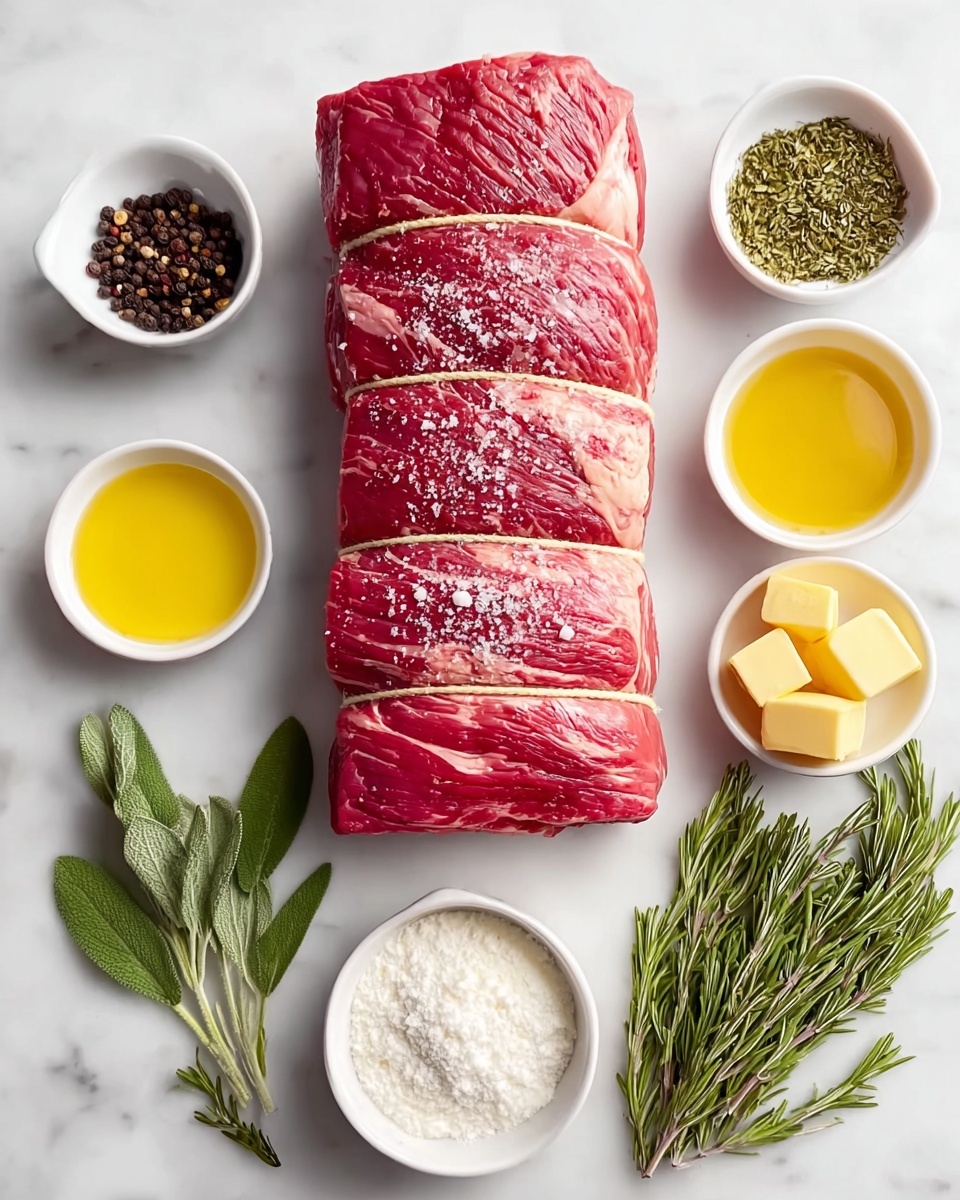
Ingredients You’ll Need
Each ingredient plays a vital role in creating layers of flavor and moisture. Fresh herbs bring brightness, butter and olive oil add richness, and the seasoning is just right to enhance the natural taste of tenderloin without overpowering it.
- Beef tenderloin roast: Choose a high-quality cut, preferably grass-fed for enhanced flavor and tenderness.
- Kosher salt: Use kosher salt because its coarse grains help season evenly and enhance the meat’s natural taste.
- Cracked black pepper: Freshly cracked pepper gives a sharp, bold contrast to the mellow beef.
- Chopped fresh herbs (rosemary, sage, thyme): Fresh herbs are key here—dried won’t give the same aromatic kick or vibrant crust.
- Olive oil: Helps the herbs cling to the meat and adds a subtle fruity undertone.
- Butter: I love how butter adds a silky richness when searing and when making the gravy.
- Flour: Used to thicken the pan gravy for that perfect velvety finish.
- Beef broth: Adds depth to the gravy and intensifies the meaty flavor.
Variations
I’m all for making recipes your own, so feel free to tweak the herbs or sides depending on what you have or like best. Experimenting is half the fun—plus it lets you surprise your guests with new flavors while sticking to this juicy classic.
- Variation: Swap out the rosemary and thyme for fresh oregano and basil in warmer months—this gives a slightly sweeter and more Mediterranean vibe that I love during summer dinners.
- Variation: For a dairy-free option, replace butter with avocado oil or a vegan margarine, which still helps you get that crispy sear and rich gravy.
- Variation: Spice it up by adding a pinch of smoked paprika or cayenne pepper in the herb mixture if you like a little heat. It gave my friends a nice surprise last time!
- Variation: If you prefer your beef more well-done, just roast a little longer—but remember to monitor with a meat thermometer to avoid drying it out.
How to Make Juicy Herb-Crusted Beef Tenderloin Recipe
Step 1: Season and Herb-Coat the Tenderloin
Begin by preheating your oven to 425°F—getting the oven hot upfront ensures a great roast. Then, generously season your beef tenderloin all over with kosher salt and cracked black pepper. I usually give it a good rub to help the seasoning stick. Next, mix your fresh herbs with olive oil, creating a fragrant paste. Press this herb mixture evenly over the entire surface of the meat. This step is where the magic starts—those herbs soak into the beef as it roasts and create that irresistible crust.
Step 2: Sear to Lock in Juices
Heat butter in a cast-iron or oven-safe skillet over medium-high heat until shimmering. Once hot, sear your beef tenderloin on all sides for about 3 to 5 minutes each. Don’t rush this part—the golden-brown crust that forms is crucial because it locks in those precious juices and adds tons of flavor. Make sure you get every angle browned.
Step 3: Roast to Perfect Doneness
After searing, transfer the skillet directly into your preheated oven. If your skillet isn’t oven-safe, move the tenderloin to a roasting pan coated with a little olive oil. Roast until your meat thermometer reads about 125°F to 130°F for medium-rare—remember, the temperature will rise during resting. I use a reliable instant-read thermometer here, and it’s a game-changer for perfect results every time.
Step 4: Rest and Relax
Transfer your roast to a cutting board and loosely cover it with foil. Let it rest at least 10 minutes. I know it’s tempting to dive right in, but resting lets the juices redistribute, so every bite is juicy and tender—not dry or tough. I always tell guests, “Patience pays off!” and they agree after tasting it.
Step 5: Whip Up the Herb Gravy
While the beef rests, return your skillet with all those wonderful pan juices to the stovetop over medium heat. Whisk in flour, stirring constantly until it thickens into a smooth paste. Then slowly pour in beef broth, whisking as you go to avoid lumps. Bring it to a simmer and cook until it’s thickened to your liking. Feel free to adjust the thickness by adding broth or flour-water slurry. That homemade gravy is the perfect cozy touch.
Step 6: Slice and Serve
Slice your beef tenderloin into 1-inch thick medallions, making sure each cut shows off the juicy pink interior. Serve warm with a generous drizzle of your homemade herb gravy. This moment always feels special in my kitchen—a simple but elegant centerpiece that everyone enjoys.
How to Serve Juicy Herb-Crusted Beef Tenderloin Recipe
Garnishes
For me, fresh parsley or a sprinkle of chopped chives brightens the plate and complements the herb crust. If you want a little color and freshness, a few thin slices of lemon zest add a lovely citrusy note that contrasts wonderfully with the rich meat and gravy.
Side Dishes
I often pair this beef tenderloin with creamy mashed potatoes or a garlicky roasted vegetable medley. Sometimes a simple arugula salad with a tangy vinaigrette helps balance the richness perfectly. Roasted fingerling potatoes tossed in olive oil and rosemary are a must-have in my house whenever I make this recipe.
Creative Ways to Present
For holidays or dinner parties, I like arranging the sliced tenderloin in a fan shape on a large platter, garnished with extra herbs and edible flowers for a beautiful presentation. You can also serve slices atop toasted baguette rounds drizzled with gravy for an elegant appetizer twist. Adding a drizzle of balsamic glaze can amp up the visual and flavor factor.
Make Ahead and Storage
Storing Leftovers
I always wrap leftover beef tightly in foil or plastic wrap and store it in an airtight container in the fridge. It stays juicy and flavorful for up to three days. Just slice leftovers cold to maintain tenderness and avoid drying out the meat.
Freezing
If you want to freeze this beef tenderloin, slice it first and wrap portions individually in freezer paper or foil, then place in a zip-top bag. It freezes well for up to 2 months. When I do this, I always label the date to keep track, and it thaws beautifully in the fridge overnight.
Reheating
To reheat leftovers without drying the meat, I cover slices with foil and warm them gently in a low oven (about 250°F) until heated through—usually 15 minutes or so. Alternatively, briefly warming in a covered skillet over low heat with a splash of broth keeps everything moist and delicious.
FAQs
-
What’s the best way to ensure my beef tenderloin stays juicy?
The key is proper searing and resting. Sear the beef on all sides to lock in juices, then roast to your desired temperature using a meat thermometer, and finally let it rest loosely covered for about 10 minutes. This resting step allows the juices to redistribute rather than spill out when sliced.
-
Can I use dried herbs instead of fresh for the herb crust?
While you can use dried herbs in a pinch, fresh herbs are highly recommended. They provide a vibrant flavor and aroma that really make the crust pop. If using dried, reduce quantity since they’re more concentrated, and consider adding a splash of olive oil to help them adhere.
-
How do I know when the beef is cooked to medium-rare?
Use a meat thermometer inserted into the thickest part of the tenderloin. For medium-rare, remove from the oven when it reaches about 125°F to 130°F. It will continue to cook to about 135°F as it rests, giving you a perfect blush pink center.
-
Is it necessary to make gravy with this recipe?
While not mandatory, I highly recommend it! The gravy made from pan drippings adds richness and deepens the flavor profile. It’s simple to make and really elevates the dish to restaurant quality.
-
Can I prepare the herb crust ahead of time?
You can mix the herbs and olive oil a day in advance and keep it in the fridge. But I suggest applying it to the tenderloin right before cooking so the fresh herb flavors stay bright and aromatic.
Final Thoughts
This Juicy Herb-Crusted Beef Tenderloin Recipe has become a go-to for me whenever I want to impress without stress. It’s one of those dishes that’s straightforward yet consistently delivers on both flavor and tenderness—making everyone around the table happy. I really hope you give it a try and enjoy the comforting, herbaceous flavors as much as I do. It’s like a warm hug on a plate!